



3 Things I Learned About Romania in a Transylvania Castle

Staying at Zabola Estate was a unique experience I’ll never forget. Experiencing what it’s like to live in a castle in Transylvania revealed three intertwined truths: the region’s Habsburg‑layered history, a forest‑rooted culture that flavours everything from horseback rites to bear lore, and the role of aristocratic families in shaping modern Romania. Ready for an adventure in the Carpathian Mountains? Grab your horse-riding kit and let’s go!

1. History is Carved in Design

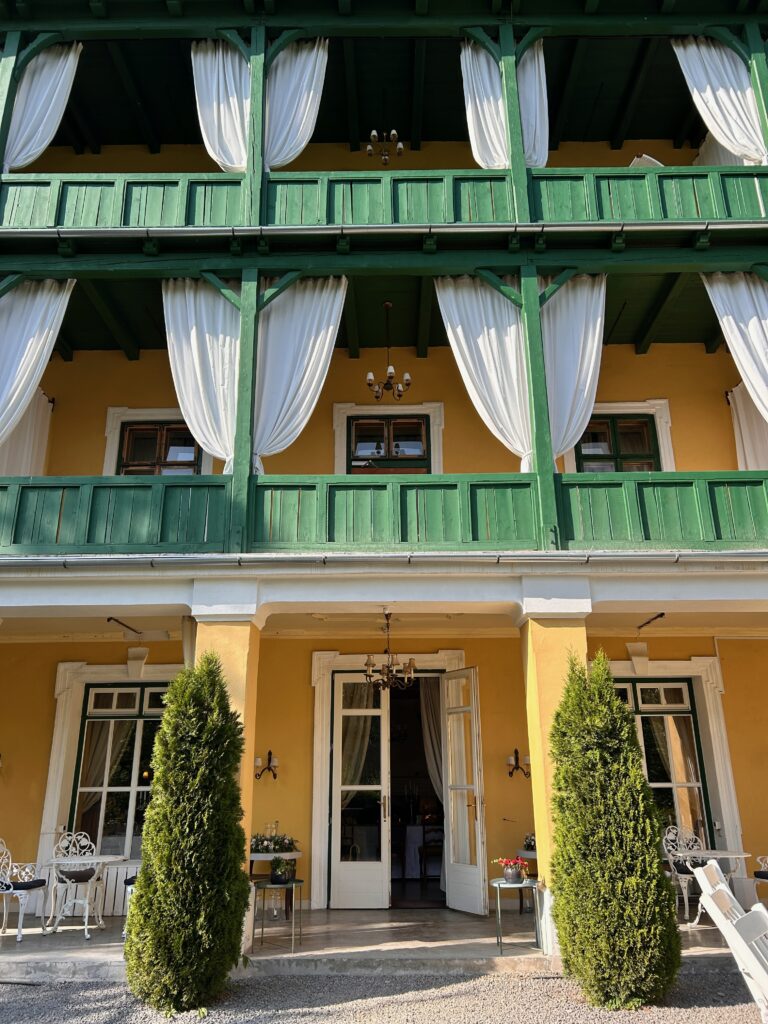
Zabola Estate was raised by the Mikes family, a Székely branch of Hungarian nobility recorded in the 16th century. Their New  Castle wing took shape in the early 1900s, but the estate’s foundations were laid during the long Habsburg century, after Vienna formalised rule over Transylvania with the Diploma Leopoldinum in 1691. Step into the Garden Room and you’ll meet that era in a deep cast‑iron tub dating the Habsburg dynasty, still perfect for post‑ride soaks. The high but lofty ceilings, parquet floors and filigreed window locks echo the baroque lines that swept across Transylvania under imperial patronage. Sliding into that giant soaking tub, I felt how politics, trade, and design travelled the same roads—straight into the castle’s plumbing.

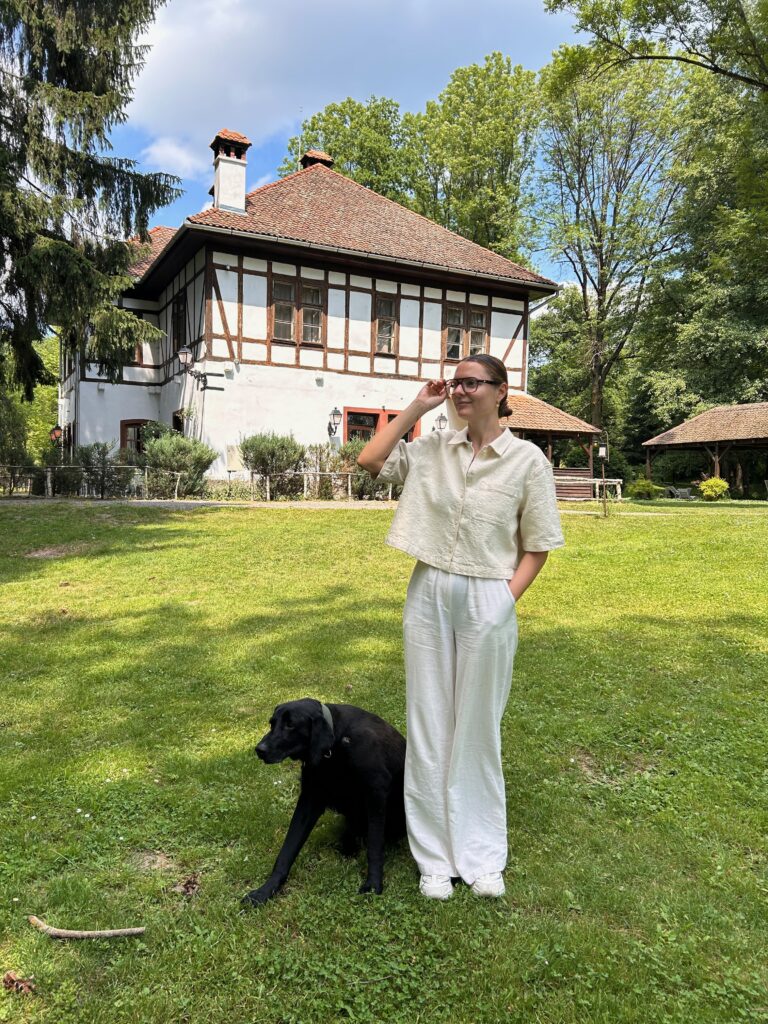
A woman and a dog in front of the Machine House at Zabola Estate in Romania
A vintage soaking tub inside the room of a castle in Transylvania.

In Romania, archaeologists discovered traces indicating that the local inhabitants also worked with metal. Ovens, tools and traces of cast iron and various alloys were found. The creation of the modern Romanian state in 1859 was accompanied by a policy to encourage the metal industry, but notable results were yet to appear. However, the provinces ruled by the Habsburg Empire who were inhabited by a majority ethnic Romanian population, furnaces producing steel and cast iron already existed.

Radio Romania International

2. Forest culture shapes Romanian rituals—and menus

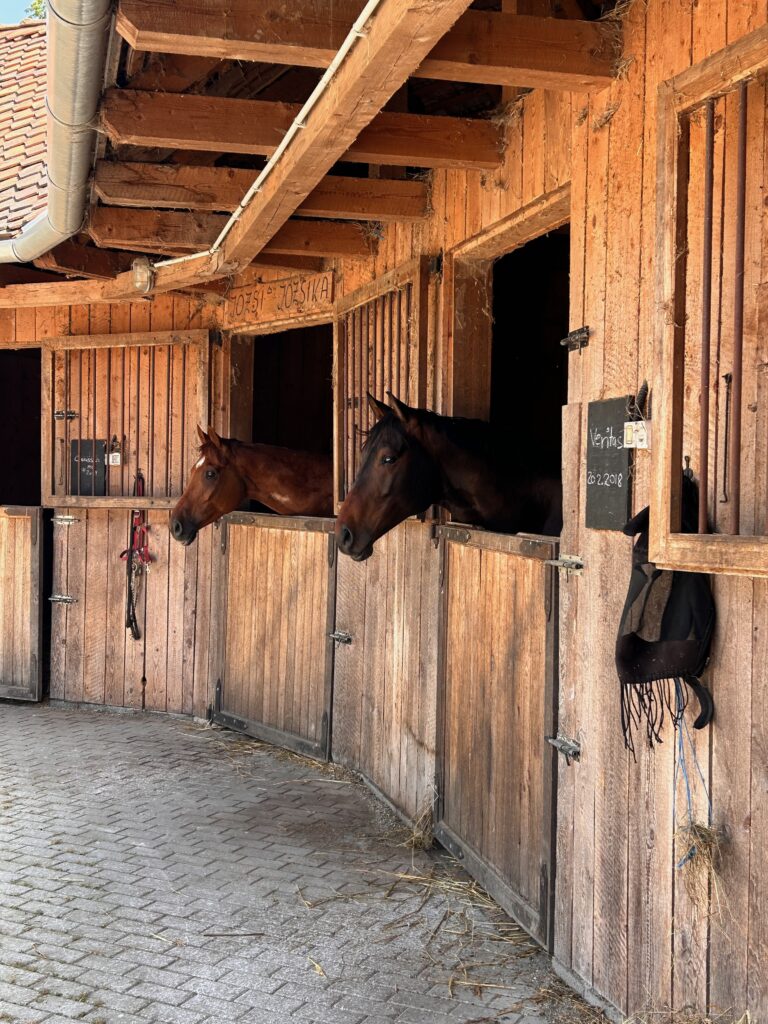
The very name Transylvania first appears in a 1078 Latin charter as ultra silvam (“beyond the forest”) and life here still circles the woods. At dawn, the labradors go for their daily round across the domain while the horses get out to the prairie or saddled up by the horsemen of Count Mikes Stud Farm. Dusk found me in wooden hiding spots, watching for brown bears forage, an encounter that blends folklore, conservation, and Romania’s claim to Europe’s largest bear population. 

In the forests surrounding Zabola Estate, you have the rare opportunity to observe wild brown bears in their natural habitat. Romania is home to over half of Europe’s bear population, and here, centuries of quiet coexistence continue.

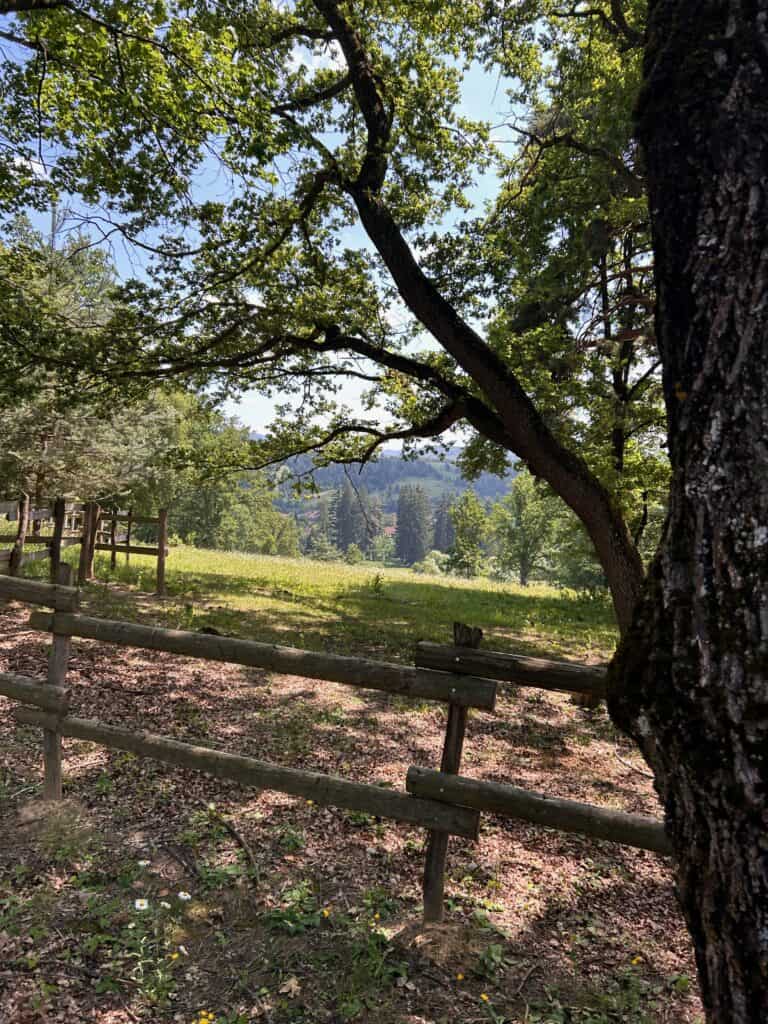
view of the forest in the domain of Zabola Estate in Transylvania
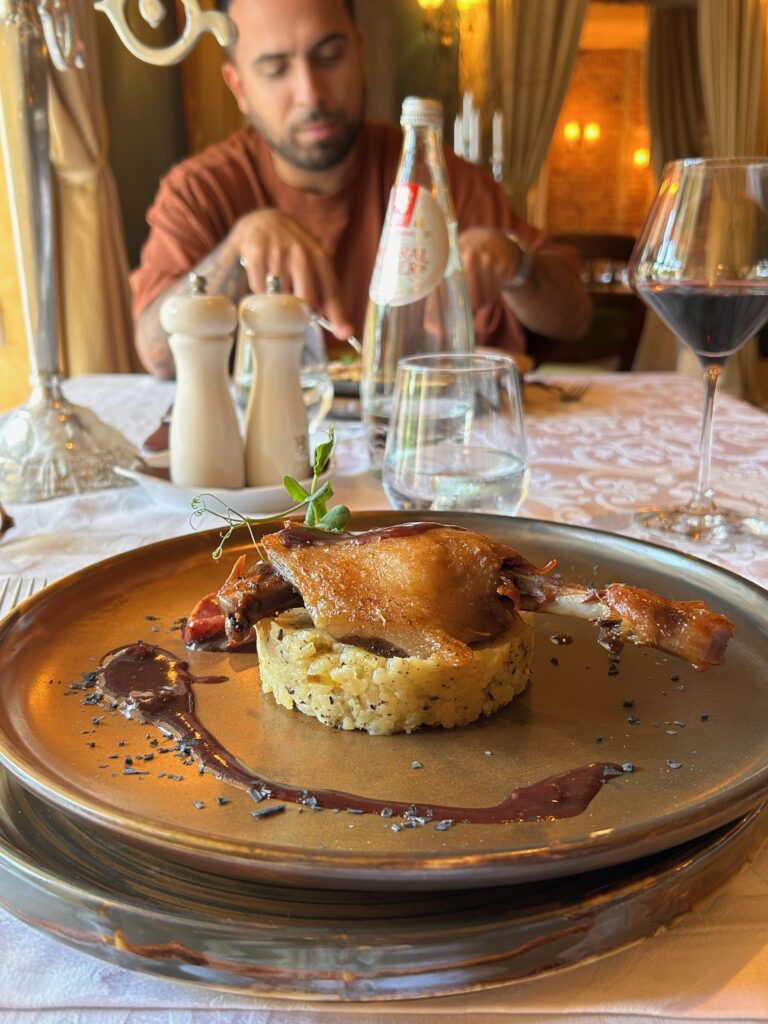
A dedicate dish made of duck and potatoes, served inside the castle of Zabola Estate

We had the chance of going for an hour-long forest ride on horses, which was as enchanting as it was exhilarating, constantly reminded of the possibility of encountering large wild animals. Back at the castle, the table told the same story in edible form: smoky duck spun over open coals, golden mămăligă pooling under wild‑caught deer stew, and a glass of plum pălincă to seal new friendships. In Transylvania, people don’t just live by the forest, they eat, drink and dance it into memory.

3. Nobility is an evolving stewardship

Aristocracy once anchored the economy of these valleys, and Zabola’s story is a textbook case. The Mikes family expanded the estate across four centuries. The communist era of Romania nationalised the property in 1949, exiling the family and turning the castle into a sanatorium. In the 2000s, Katalin Mikes’s children (a Transylvanian‑Bengali branch of the line) won a 15‑year legal battle and reopened it as a heritage retreat, sharing stables, spa and 50‑hectare parkland with travellers like me! They are not alone: across the region, houses such as the Bánffy, Bethlen and Kemény families, once elevated by Habsburg favour, are restoring baroque estates as museums, cultural hubs and sustainable farms. Titles may fade, but caretaking endures, and Romania’s future is richer for it.

At Zabola Estate, a castle in Transylvania, history, culture, and nobility came alive. From the Habsburg‑era bathtub to rides with Count Mikes’ horsemen and bear‑watching in forests, every experience sparked curiosity and echoed centuries of storytelling. Learning about the Mikes family’s restitution of their castle, from Habsburg stewardship to communist expropriation in 1949, and eventual revival, showed how aristocracy continues nurturing Romania’s identity. In Transylvania, heritage is kept living, evolving, and deeply rooted in the land beyond the forest.

A woman with sunglasses taking a selfie for Instagram on a charming street of Oslo.

Hi! I’m Sophie

I am a social scientist and explorer. In my work, I analyse the intersection of politics, technology, and democracy. Nothing makes me happier than learning and discovering the wonders of the world. I consider myself an enthusiastic feminist and self-care advocate.

Share:

Email
WhatsApp
X
LinkedIn
Pinterest

Related Posts