In an age of information saturation, it’s easy to feel overwhelmed by alarming headlines and ever-changing crises. But beneath the chaos lie deep, enduring patterns which books can help us uncover. The books listed below do just that, and more: they shifted my entire worldview. In this post, I’ve selected five must-read books to understand the world, each offering a unique entry point into how systems (biological, political, psychological, and social) actually work. Whether you’re navigating geopolitics or trying to make sense of the self, these books are essential companions for decoding our entangled reality.
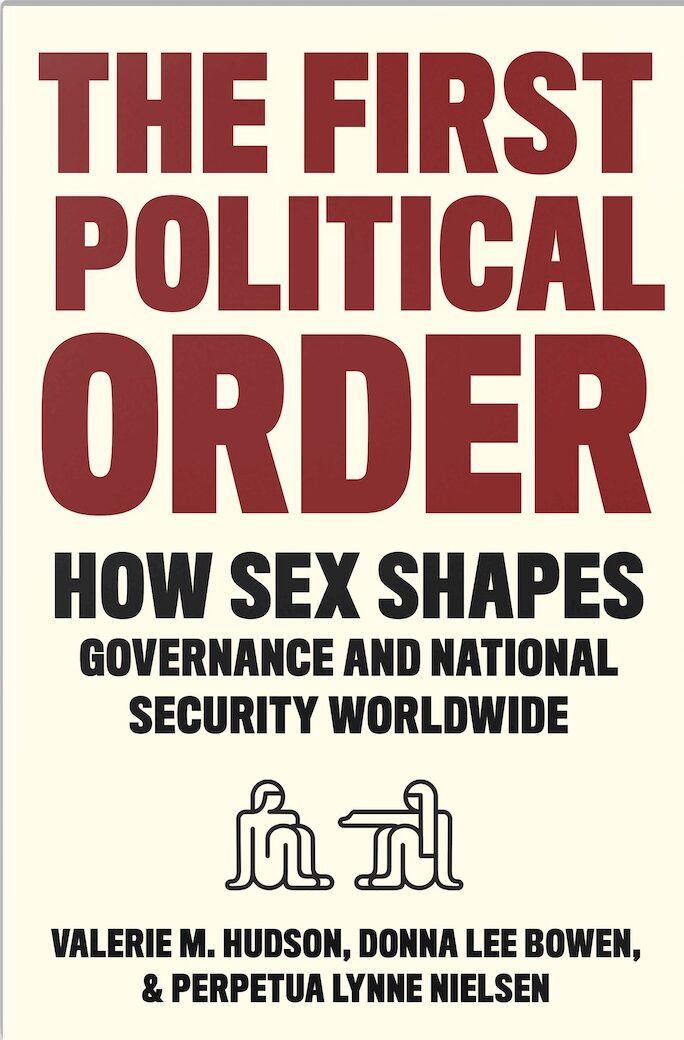
The First Political Order
In The First Political Order, Valerie Hudson and her co-authors deliver a thesis as bold as it is meticulously evidenced: the subjugation of women is not a cultural byproduct, it is the original political institution from which all others emerge. Drawing on data from over 170 countries, the book connects gender inequality with violence, authoritarianism, and underdevelopment.
This is one of the most urgent books to understand the world because it reframes underdevelopment and conflict not as a failure of governance or diplomacy, but as a systemic consequences of gendered hierarchies. It challenges readers to see the household (as opposed to the state) as the first site of political ordering. This shift has profound implications: peacebuilding, democracy promotion, and economic growth all hinge on transforming intimate power relations. This book is essential reading for anyone seeking meta-level explanations about social, economic, and political relations.
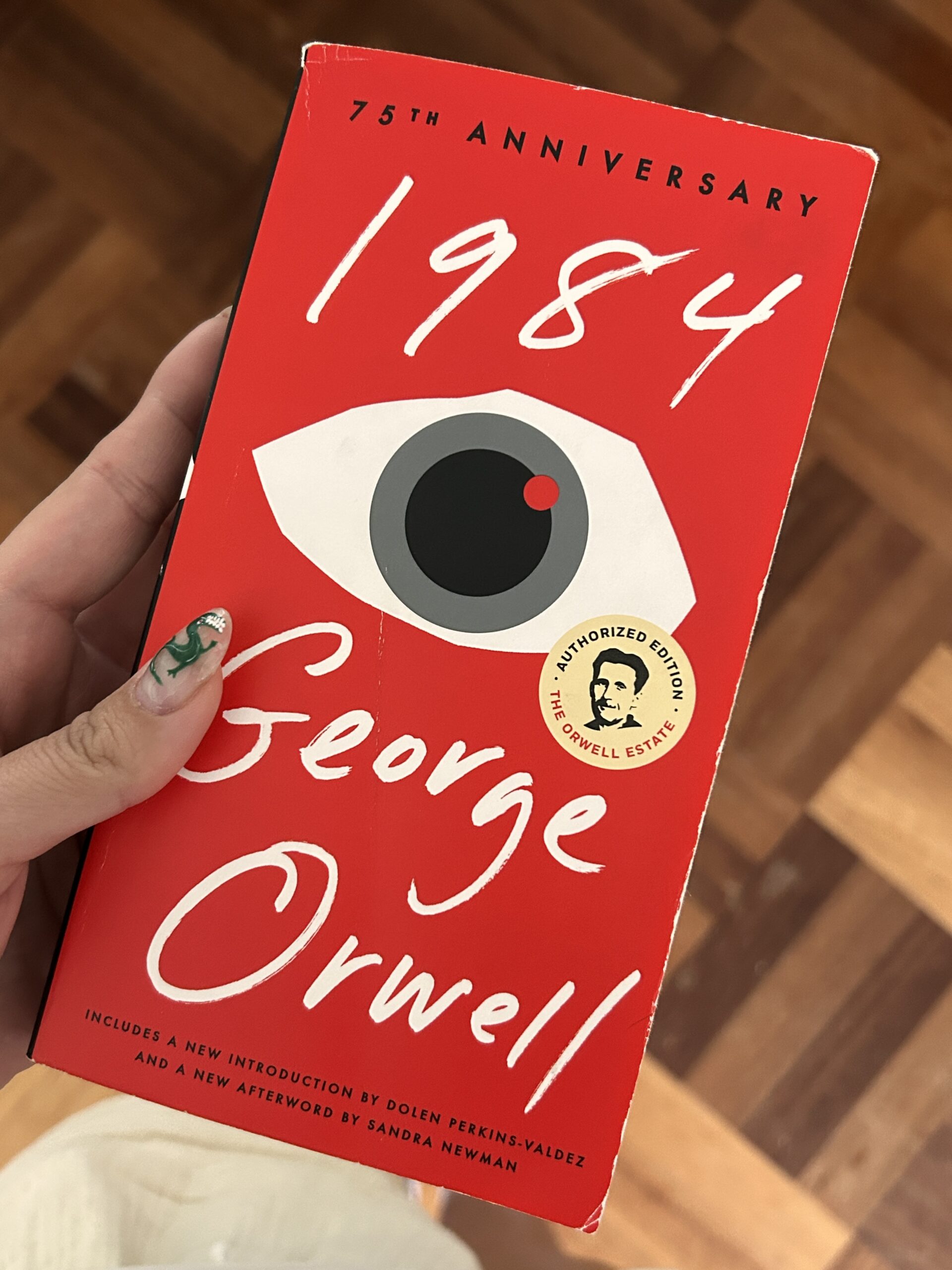
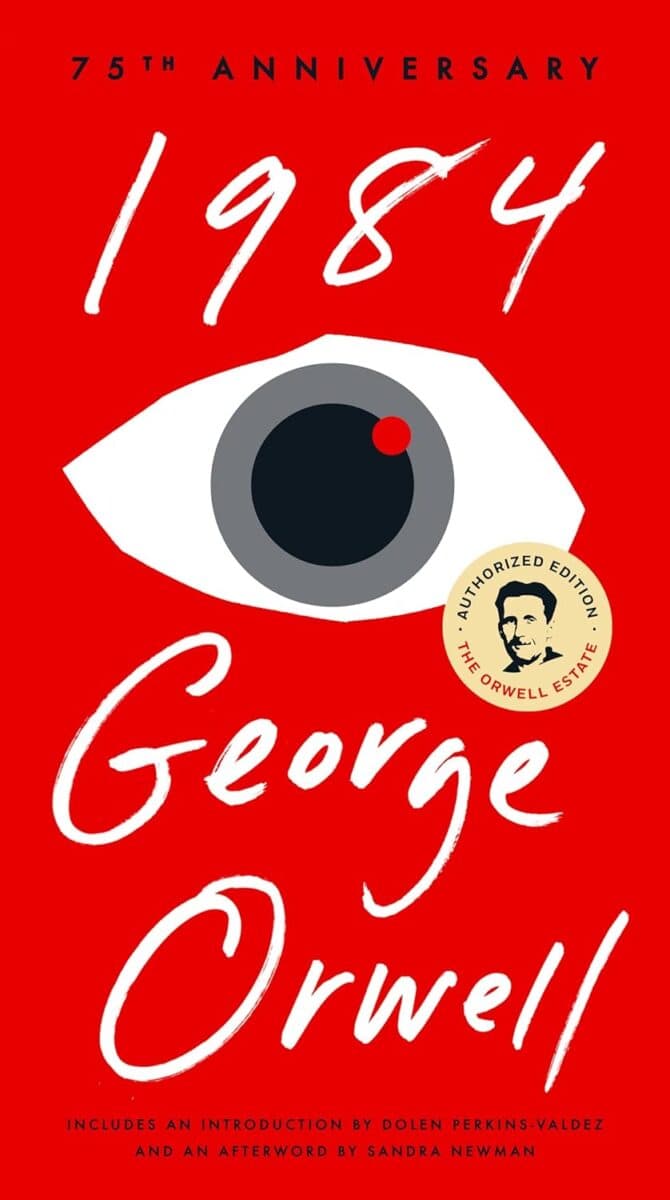
1984
George Orwell’s 1984 is frequently cited, often misread, but perpetually relevant. This dystopian classic offers an extraordinary exploration of how language, media, and politics shape the very fabric of reality. In Orwell’s world, the state rewrites history through its totalitarian control of society, where dissent is repressed and erased.
Why does 1984 remain one of the definitive books to understand the world? Its core warnings resonate across contexts, from mass surveillance and disinformation to the subtle erosion of democratic norms. Orwell shows how the capacity to manipulate of information, nowadays linked to states and big tech companies, can result in long-lasting power grabs that are extremely difficult to escape.
In an age of algorithmic propaganda, historical revisionism, and information warfare, 1984 helps us name what often feels intangible: the psychological consequences of living in a post-truth world.
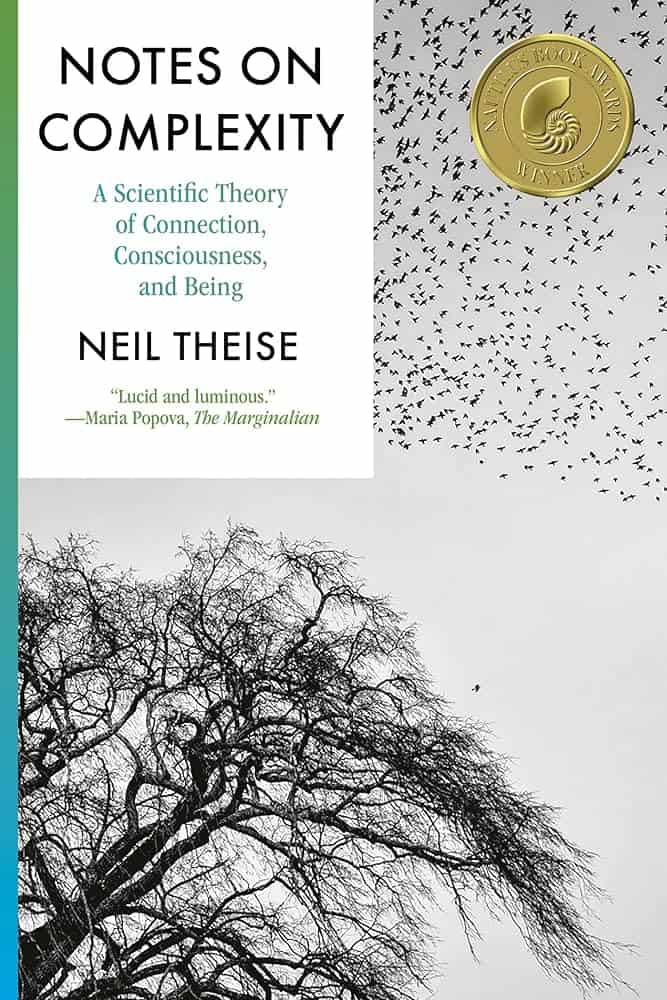
Notes on Complexity
Neil Theise’s Notes on Complexity is a short but transformative read that challenges the Cartesian assumption of separateness. Theise draws from complexity theory, quantum physics, biology, and Eastern philosophy to argue that everything—cells, humans, societies—is interconnected and self-organising.
This book will help you replaces linear, binary thinking with a more accurate view of reality: dynamic, non-deterministic, and fundamentally relational. Theise invites readers to feel this complexity emotionally, philosophically, and even spiritually. His insights are especially relevant for anyone working in policymaking, strategy, or social science because they offer a new model to grapple with the most wicked problems of our times.
The Body Keeps the Score
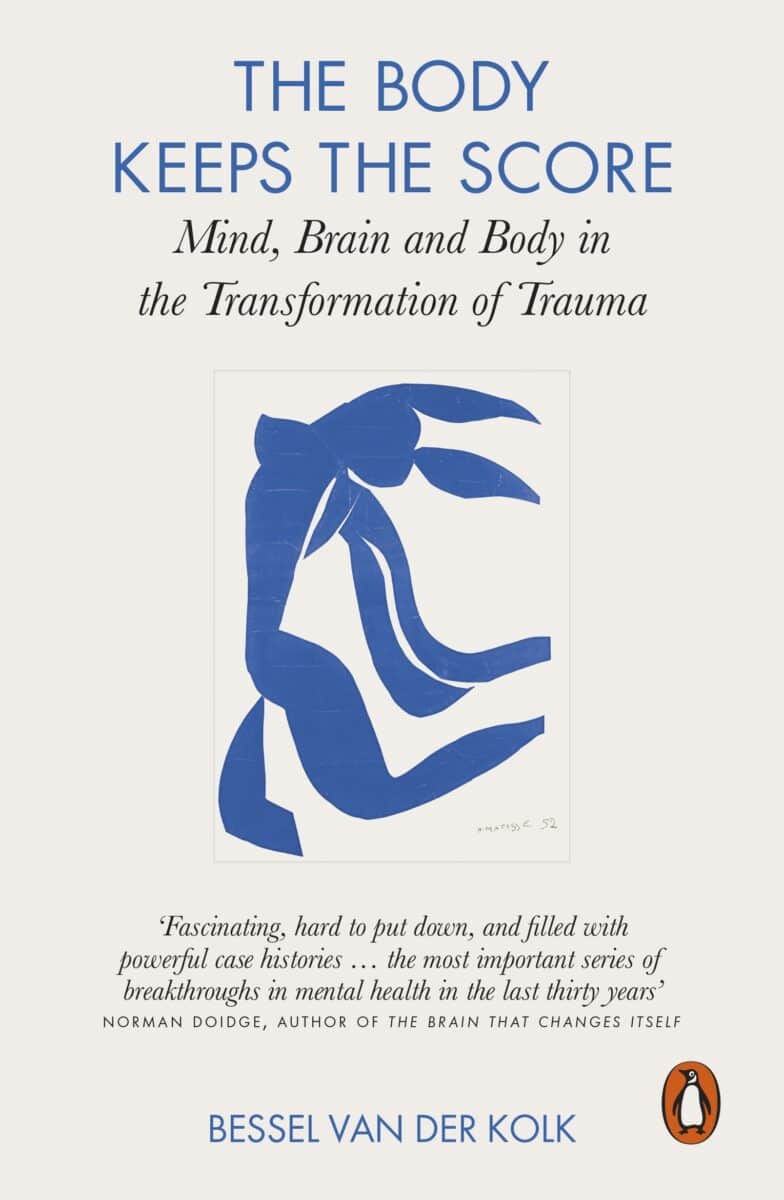
Bessel van der Kolk’s The Body Keeps the Score has become a landmark in trauma studies, and for good reason. Through decades of clinical experience, this renown psychiatrist reveals how trauma rewires the brain and shapes the body, often in silent and enduring ways. From childhood neglect to war, his patients’ stories uncover the hidden architecture of pain and survival.
This is one of the most vital books to understand the world because trauma is a collective condition. It accumulates across generations and institutions. In an era defined by burnout, disconnection, and unprecedented times, The Body Keeps the Score is a necessary read for anyone interested in social relations. It reminds us that understanding the world requires understanding human suffering and memory through our somatic system. Only then can healing begin, personally, and for the world.
The Anarchical Society
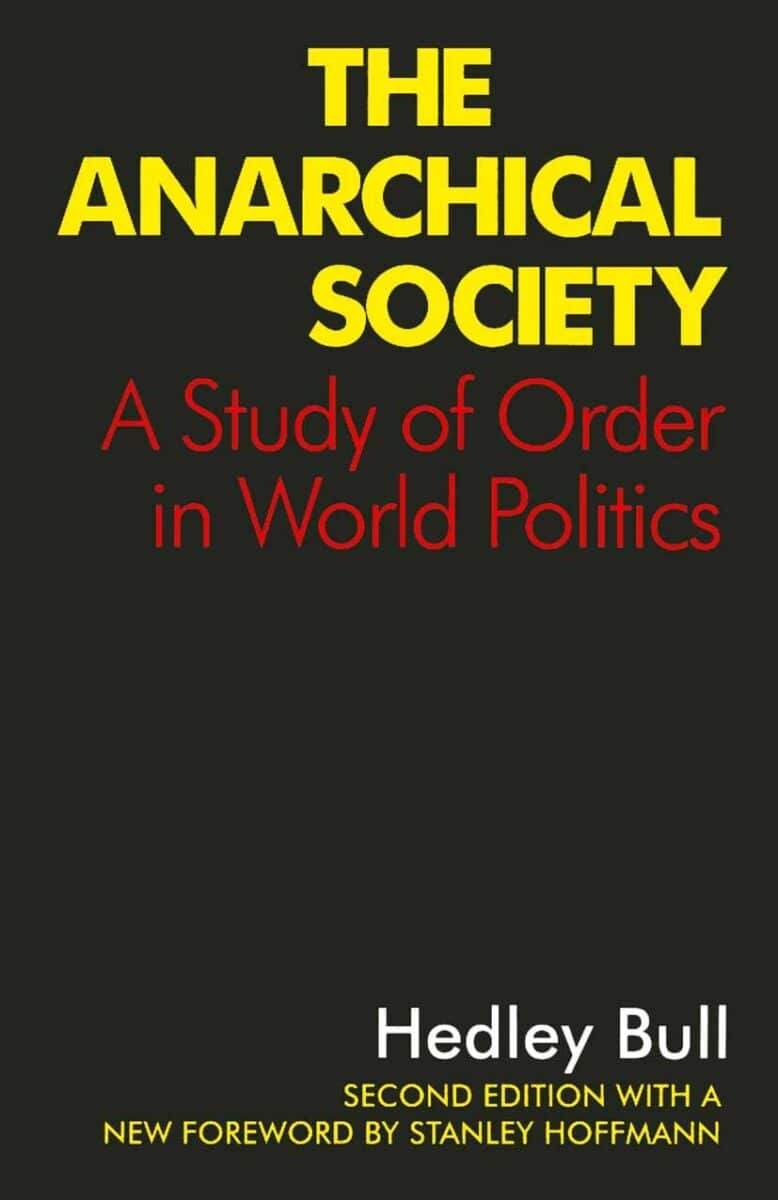
Hedley Bull’s The Anarchical Society is a cornerstone of International Relations theory and a profound meditation on the paradox of global order without global government. Bull argues that despite the absence of a central authority, states form a society based on norms, diplomacy, and mutual trust.
This book offers an antidote to simplistic binaries of order versus anarchy where states play the main part. Bull shows that anarchy does not necessarily mean disorder, and that the international system operates through a complex balance of authority, law, and customs. His work invites us to see the hidden structures of global governance, not always visible but deeply consequential.
These five must-read books to understand the world will help you not only see the world clearly, but also help you transform it. From the cellular to the societal, from the intimate to the international, each of the books above reveals the systems shaping our lives. They ask us to think in relational terms, through network lenses, and to accept complexity rather than chase certainty. Lastly, they show that understanding the world is an ongoing practice of inquiry, empathy, and courage.
So whether you’re a student, a policymaker, or a curious wanderer, these books stand as powerful invitations to see the world, and yourself, anew.

Hi! I’m Sophie
I am a social scientist and world explorer. In my work, I analyse the intersection of technology, information, democracy, and security. Nothing makes me happier than learning and discovering the wonders of the world. I consider myself an enthusiastic feminist and self-care advocate.