Greece Travel Guide
My unique experiences in Greece
I had the chance of visiting Greece on several occasions, both professional and leisure, across its capital and islands. Greece is more than a destination, it’s a feeling. A place where myth meets luxury, olive groves stretch toward ancient temples, and hospitality is not just tradition, but a way of life. From mountaintop monasteries to turquoise island coves, every corner of Greece offers its own rhythm, beauty, and story.
In this travel guide, I’ll take you through some of the most unforgettable places to visit in Greece, including Mykonos and Athens, based on my own journeys across the country. Whether you’re a history buff, a hiking fan, or a sea captain, this guide is designed to help you experience the richness of Greek culture with curiosity and care.
Together, let’s begin a journey through one of the most soulful countries in the world.
Table of Contents
Where is Greece?
Greece is located in Southeastern Europe, at the southern tip of the Balkan Peninsula, where the continent meets the Aegean, Ionian, and Mediterranean Seas. Surrounded by a shimmering coastline of over 13,000 kilometers and sprinkled with more than 6,000 islands and islets, Greece offers a uniquely varied geography. From the rugged peaks of Mount Olympus to the sun-drenched beaches of the Cyclades, its landscapes are as mythic as they are diverse.
To the north, Greece shares land borders with Albania, North Macedonia, Bulgaria, and Turkey, linking it to both Western Europe and the Eastern Mediterranean. This position has shaped its identity as a cultural bridge between continents, empires, and eras. Inland, you’ll find fertile plains, olive groves, and mountainous regions ideal for hiking, while the coast and islands offer crystalline waters, hidden coves, and dramatic cliffs.
About Greece
Greece’s history is one of the most influential in the world, shaping not only Western civilisation but also global thought, art, and politics. As the cradle of democracy, philosophy, and theatre, Ancient Greece laid the foundation for many ideas still central to modern societies, in particular in Europe. From the powerful city-states of Athens and Sparta to the sprawling conquests of Alexander the Great, this ancient era continues to inspire wonder.
After its classical golden age, Greece became part of the Roman and later Byzantine Empires, preserving and transforming ancient knowledge. Centuries of Ottoman rule followed, leaving traces in architecture, cuisine, and language. In the 19th century, Greece gained independence and gradually expanded its borders, reuniting regions with deep Hellenic roots.
Today, Greece proudly celebrates its layered past through well-preserved ruins, lively traditions, and a strong sense of identity. Its rich cultural heritage, infused with mythology, Orthodox Christianity, and Mediterranean spirit, makes it a captivating destination for history lovers.
Greece, in the Mediterranean Sea Basin
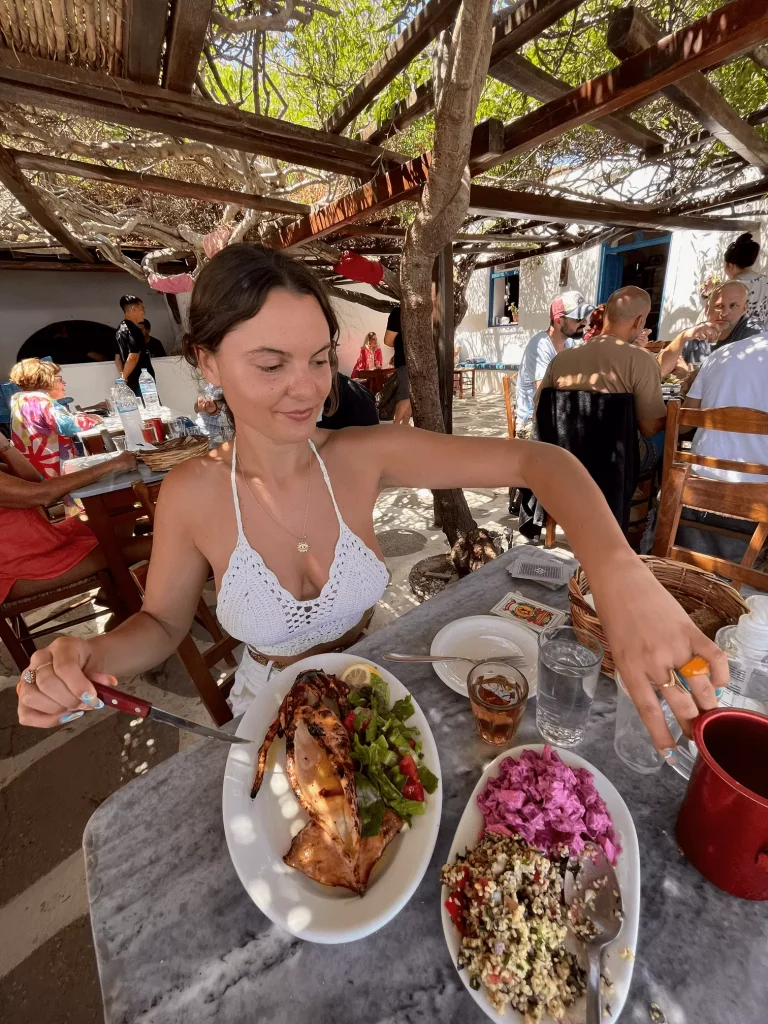
Lunch at Kiki’s Tavern in Mykonos
What's in this Guide?
Throughout my travels in Greece, I had the joy of exploring some of its most iconic and contrasting destinations, from the ancient wonders of Athens to the glamorous coastlines of Mykonos, and the rugged, soulful beauty of Crete. Each place offers something unique: the vibrant street life and timeless ruins of the capital, the postcard-perfect sunsets of the Cyclades, and the warm, earthy charm of Cretan villages nestled between mountains and sea.
While certain areas, like Mykonos, are well-known and polished for tourism, I found that the most meaningful moments often came from wandering beyond the hotspots: getting lost in Athens’ historical streets or sharing a meal with local farmers in Mykonos. This guide is rooted in those authentic experiences and offers suggestions that go beyond the obvious. Every recommendation below is based on my own personal experiences and trips I paid for entirely myself. I make small commissions for any booking you place with the links below, while it’s the same price for you.
Whether you’re drawn to authentic cuisine, mountain hikes, or simply the joy of slow travel, Greece has a way of making every journey feel deeply personal.
When to go to Greece
Greece is a year-round destination, but depending on your travel style, budget, and sensitivity to heat, some seasons might suit you better than others. Each time of year brings its own charm, whether you’re chasing sunshine, history, or seasonal cuisine.
Spring (April – June)
Spring is arguably the best time to visit Greece. The weather is pleasantly mild (15–25°C), the landscapes are lush with wildflowers, and the crowds are still manageable. If you’re visiting islands, bring a warm coat and a hat (the wind is very chilly). It’s also a great time for hiking, sightseeing, and exploring archaeological sites without the intense heat. Seafood lovers take note: spring is when the fish markets begin to brim with fresh catches after winter’s lull.
Summer (July – September)
Expect sun-drenched days and very warm temperatures, especially in southern Greece and the islands, where it can reach up to 40°C. While the beaches and island life are at their peak, so are the tourist crowds and prices. That said, it’s the best time for swimming, sailing, and soaking up Greece’s iconic summer energy. Seafood is abundant and delicious: grilled octopus, calamari, and fresh sardines are must-tries.
Autumn (October – November)
Autumn brings milder weather, golden light, and a quieter atmosphere. It’s an excellent time to visit Greece if you want to avoid crowds but still enjoy some warm days (15–25°C) and swim in the sea well into October. Again, if you visit islands, prepare for cold winds. The local markets overflow with seasonal produce, and it’s also the best time for fresh seafood, thanks to cooler waters and traditional autumn fishing periods.
Winter (December – March)
Winter in Greece is calm, cooler (especially in the north), and perfect for cultural city breaks or mountain getaways. Athens, for instance, becomes more relaxed and atmospheric. While many island destinations slow down, Crete and the Peloponnese remain great winter options. Though not ideal for swimming, it’s a good time for foodies: winter months bring hearty stews and the freshest shellfish.
In a farmstead of Mykonos
Where to stay in Greece?
When planning your stay in the Balkans, consider the charm and warmth of local bed and breakfasts. These usually small establishments offer a more personal and intimate experience compared to larger hotels. Often housed in historic buildings or traditional homes, Balkans’ bed and breakfasts provide a unique glimpse into regional architecture and culture.
Many bed and breakfasts in the Balkans feature traditional decor, cozy interiors, and friendly hosts who are eager to share insights about the local area. This allows you to enjoy a homely atmosphere, with the added benefit of personalised service and expert knowledge. You’ll often find yourself waking up to a delicious breakfast featuring regional specialties, from hearty Balkan stews to freshly baked pastries, enhancing your immersion in the local culture.
For travelers looking to connect more deeply with the heart of the Balkans, bed and breakfasts offer an authentic and memorable lodging experience. They blend comfort with local charm, providing a welcoming environment that reflects the region’s diverse traditions and hospitality.
Ostraco Suites in Mykonos
The town of Tourliani on Mykonos island
How to get around Greece?
Exploring Greece is best done with a mix of transport depending on your itinerary. On the mainland, renting a car is the most flexible and comfortable way to get around, especially if you’re planning to visit archaeological sites, mountain villages, or remote beaches. The roads are generally well-maintained, though narrow streets in small towns require some confident driving. Aim for a small car like a Fiat 500.
For the islands, ferries and rental scooters are your best friends. While it’s possible to take your rental car on some ferries, it can get expensive and not all rental companies allow it, so double-check policies. The roads of Greek islands are notoriously narrow and hectic, so keep that in mind. Flying between islands like Crete and Mykonos is also a convenient option.
We budgeted about €1000 for a two-week car rental (including insurance), and roughly €500 per person for return flights with checked luggage. Expedia is my go-to for stays, and SkyScanner works well for comparing rental car prices. Most places accept euros and card payments, but always carry some cash for smaller tavernas and remote spots.
How to get to Tulum?
Practical Tips for Greece
Scams
During our time in Greece, we didn’t encounter any major scams. Still, it’s wise to stay alert, especially with car rentals and in crowded tourist spots like Athens’ Plaka. Watch your belongings closely, avoid overly persistent street vendors or overly aggressive restaurant touts. Usually, places with good food don’t need to beg for customers. Use your instincts: if something feels off, it probably is!
What should I bring with me?
Internet Roaming
As Greece is part of the EU, you can use your mobile data roaming without extra charges if your provider supports EU roaming. However, some islands and remote areas may have spotty reception. We found that having a reliable mobile internet connection made navigating unfamiliar streets and listening to history podcasts much easier. For uninterrupted internet, consider purchasing an eSIM like Holafly (get a 5% discount here), so you don’t waste time swapping physical SIM cards.
Safety
Greece is generally very safe for all travelers, including couples and solo adventurers. Still, common sense applies: safeguard your valuables, especially in busy areas and on public transport. Avoid walking alone late at night in isolated spots, particularly in less touristy areas. When visiting religious sites such as monasteries or churches, dress modestly out of respect for local customs.
How safe is Tulum?
Food
Greek cuisine is a vibrant celebration of Mediterranean flavours. Think fresh seafood, grilled meats, olives, and aromatic herbs. Street food like souvlaki and spanakopita are perfect for quick, tasty bites. To stay safe, choose busy, well-reviewed tavernas and drink bottled water if you’re unsure about the tap. Don’t miss local specialties like fresh octopus, grilled fish, and desserts like loukoumades or galaktoboureko. Visiting local markets is a wonderful way to experience fresh produce and unique ingredients, but always make sure seafood and meats are thoroughly cooked before enjoying.
What to do in Greece
Have a look at the posts below for plenty of ideas and inspiration for your trip to Greece. My recommendations focus on authentic and affordable experiences, and are 100% based on my genuine opinion. I may make a small commission out of affiliate links (without changing the price for you).

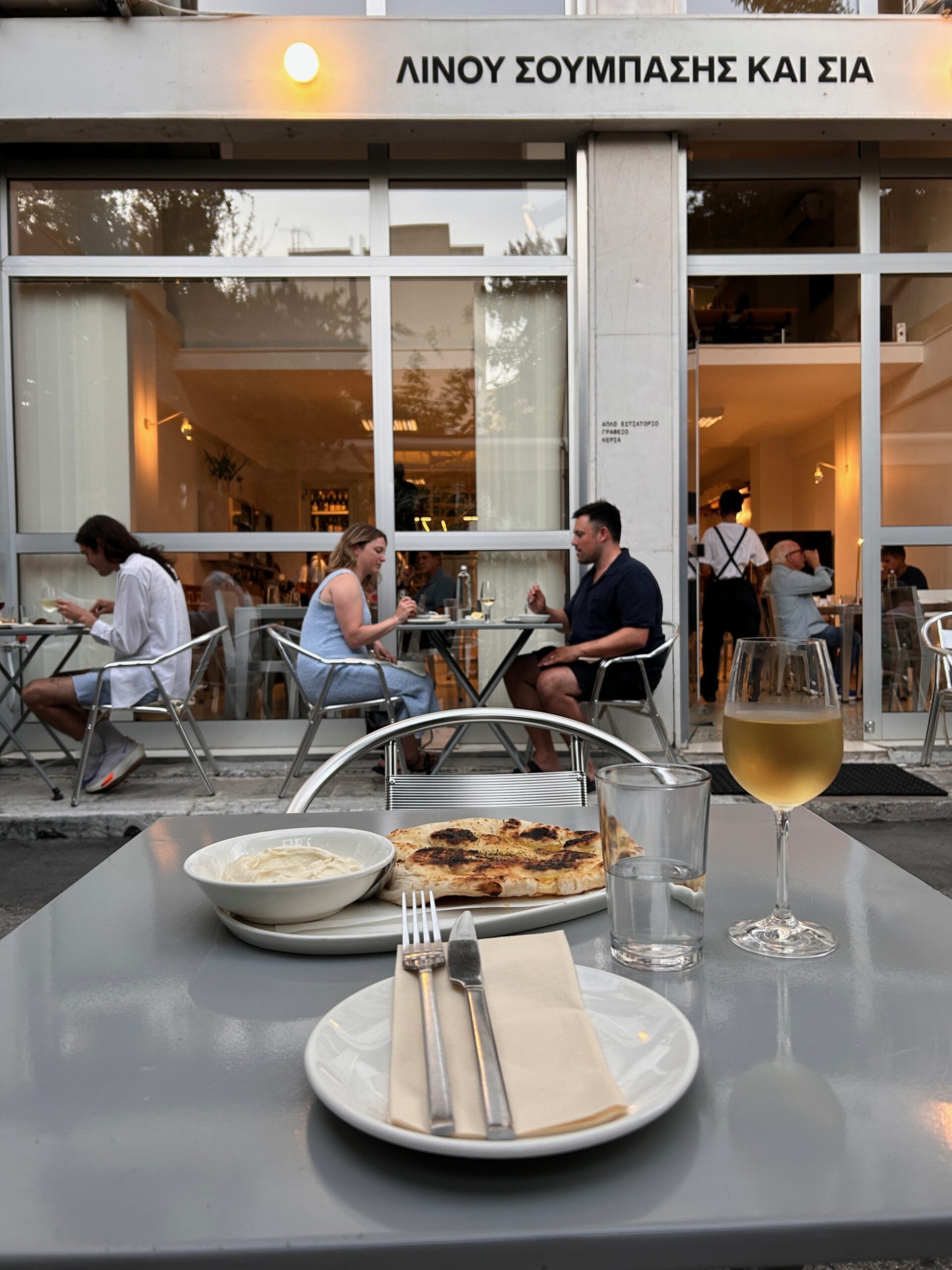
The 5 Best Places to Eat in Athens, Greece
Discover the best places to eat in Athens, from creative dishes to classic souvlaki, in this down to earth food guide.

Where to Shop in Athens: 5 Treasure Trove Boutiques
Discover where to shop in Athens for design, art, and souvenirs. Explore unique concept stores and independent gems beyond the tourist traps.

3 Unconventional Things To Do in Mykonos
Discover 3 unconventional things to do in Mykonos that go beyond beaches and parties, from lighthouses to abandoned mines and monasteries.

5 Unique Things to Do in Athens to Experience Greek Grandeur
Athens is ancient and electric, mythic and messy, luminous and lived-in. Most visitors rush through the classics (the Acropolis, the museums, the islands…) but Greek
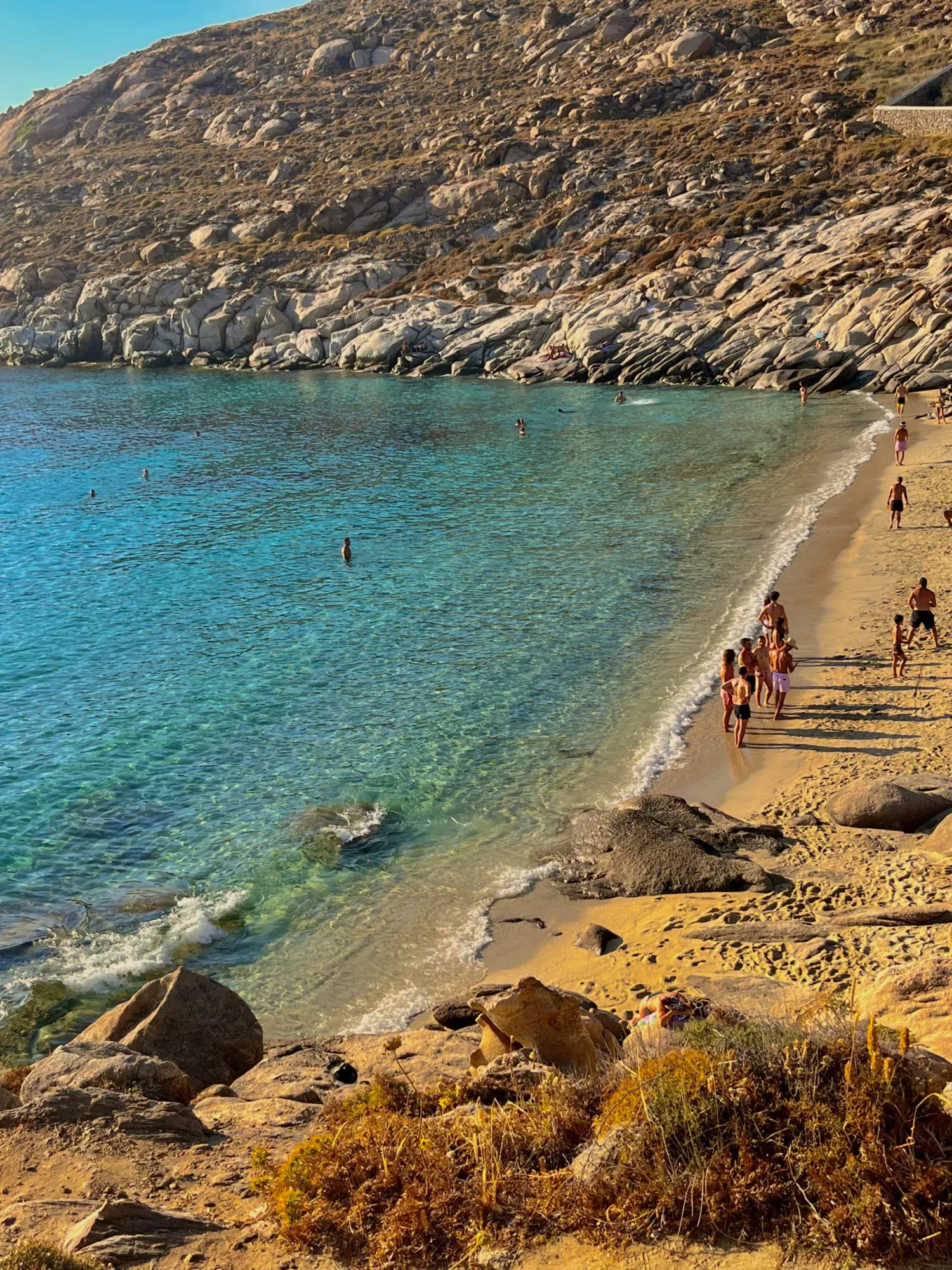
The best beaches in Mykonos with unparalleled turquoise waters
Explore these hidden gems, the best beaches in Mykonos with beautiful crystal-clear waters and fantastic views of the Aegan Sea.

The 5 best Greek restaurants in Mykonos for authentic cuisine
Discover the best Greek restaurants in Mykonos offering fresh and local food with fantastic views, for authentic experiences.
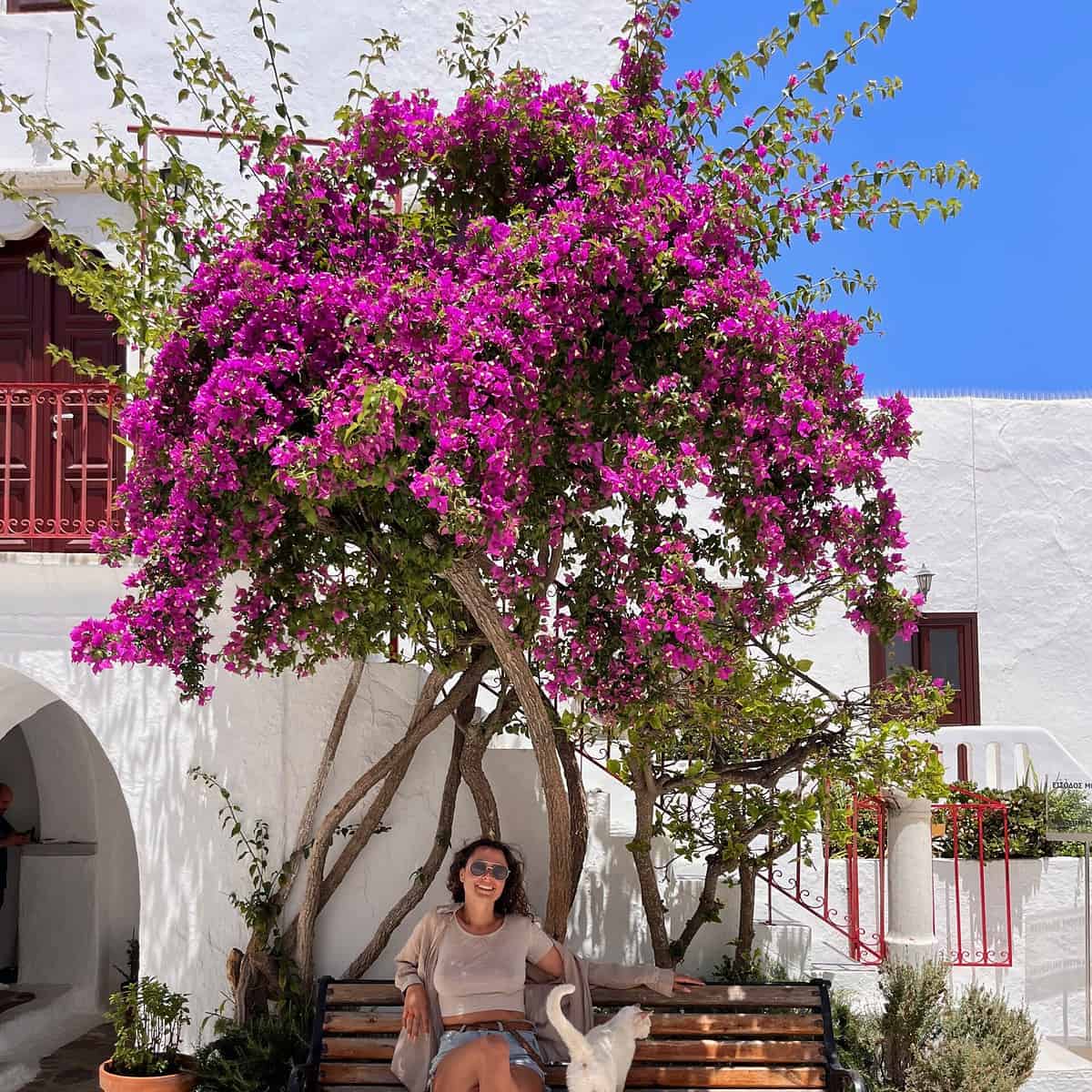
Hi! I’m Sophie
I was born in Belgium, educated in Europe, and now exploring the world with the objective to understand how we can make it a better place.
I currently work as a doctoral researcher (PhD candidate) in The Hague. I hold a Masters degree (MPhil) from the University of Oxford and have a decade of experience as a consultant in public diplomacy, strategic communication, and global peace and security.
I believe travel can be an experience for personal growth and transformative connections.
Explore my other travel guides...
I love creating unique itineraries and photographing the most beautiful scenes of my trips. I’ve created original guides for Mexico, Italy, Greece, Morocco, and the Balkans.