[last updated in December 2025]
Tulum, like most of the Yucatan Peninsula, features many cenotes: natural pools of fresh water resulting from ground sinkholes. Whilst the Mayan civilisations used cenotes for water supplies and sacrificial offerings, they are now popular spots for natural excursions and diving. In this article, you’ll discover the best cenotes in Tulum for breathtaking views, away from crowds and full of magical scenes. I earn small commissions for every purchase made through the links below, and it’s the same price for you. Think of it as a thank-you gift!
What are cenotes and where do they come from?
Cenotes are natural sinkholes or water-filled pits that are found in the Yucatan Peninsula of Mexico and some other parts of the world. The word “cenote” comes from the Mayan word “dzonot”, which means “well”. They are formed when the limestone bedrock in the area collapses, revealing the groundwater below. The water in cenotes is typically crystal clear and has a distinct blue-green color due to the high levels of minerals and nutrients in the water. In sum, cenotes are little heavenly pools of water scattered around the jungle.
What are cenotes used for?
Cenotes have been important to the local people for thousands of years, as a primary source of fresh water in an otherwise dry and arid landscape. The ancient Mayans even considered cenotes to be sacred, believing that they were gateways to the underworld. Today, they are popular tourist attractions (e.g. paddle boarding, snorkeling) and many of them are also home to a variety of aquatic life, including fish, turtles, and even crocodiles. Essentially, cenotes are not only important for their beauty and recreational value, but they also play a crucial role in the ecosystem by providing a habitat for a wide variety of plants and animals. It is therefore important to be cautious and respectful when visiting them: avoid using chemical products, plastic, and smoking.
What is so special about cenotes?
In the 1980s, archaeologists discovered that most of the cenotes of the Yucatan formed a near-perfect ring of about 200km. Scientists believe that this corresponds to the edge of the crater caused by the asteroid which struck the earth 66 million years ago, fundamentally altering the course of the blue planet and allowing humanity to prosper (1). For this reason, many find a spiritual connection with Tulum, one of the last cities built and inhabited by the Mayan civilisation. Mayans notably perceived cenotes as “symbolic paths between the terrestrial world and the underworld” and used them for sacred ceremonies and rituals (2). Indeed, they often saw flora and fauna living in cenotes, such as manatees, as godly creatures.
Which types of cenotes exist?
Cenotes come in all shapes and moods, and exploring a few different types is one of the most magical parts of visiting Tulum and the wider Yucatán Peninsula. Each kind offers its own atmosphere, from sun-drenched pools to mysterious underground worlds. Here’s a simple guide to help you understand the main varieties:
Open cenotes: Natural pools exposed to the sky, perfect for sunbathing, swimming, and the occasional cliff jump.
Semi-open cenotes: Partially covered by cave ceilings, with dreamy light beams that make the water glow.
Cave cenotes: Fully enclosed and accessed through small openings, ideal for snorkelling in crystal-clear, calm water.
Underground cenotes: Completely hidden beneath the earth, often visited with a guide due to limited light and deeper passages.
Lagoon-style cenotes: Larger freshwater bodies connected to underground rivers, offering wide, peaceful spaces for swimming.
Whether you want bright blue pools or mysterious caverns, there’s a cenote style for every mood and adventure level.
What should you keep in mind when visiting cenotes ?
There are a couple of well-known rules which apply to all cenotes and others which vary depending on the location. When arriving, you will be presented with guidelines to follow.
- The majority of cenotes are open from 10:00 to 16:00.
- Most cenotes require an entrance fee, usually between 150-300 pesos (7-15 EUR).
- Sometimes, they require visitors to take a shower before and after spending time in the water.
- Most cenotes prohibit the use of mosquito repellent and sunscreen as they damage the water.
- Some cenotes do not allow professional cameras in or charge extra for it.
- Many cenotes can be explored underwater with snorkelling masks or diving equipment (often at location).
- Most cenotes have fauna in the surroundings: fish, birds, iguanas, and sometimes more.
Which are the best cenotes in Tulum?
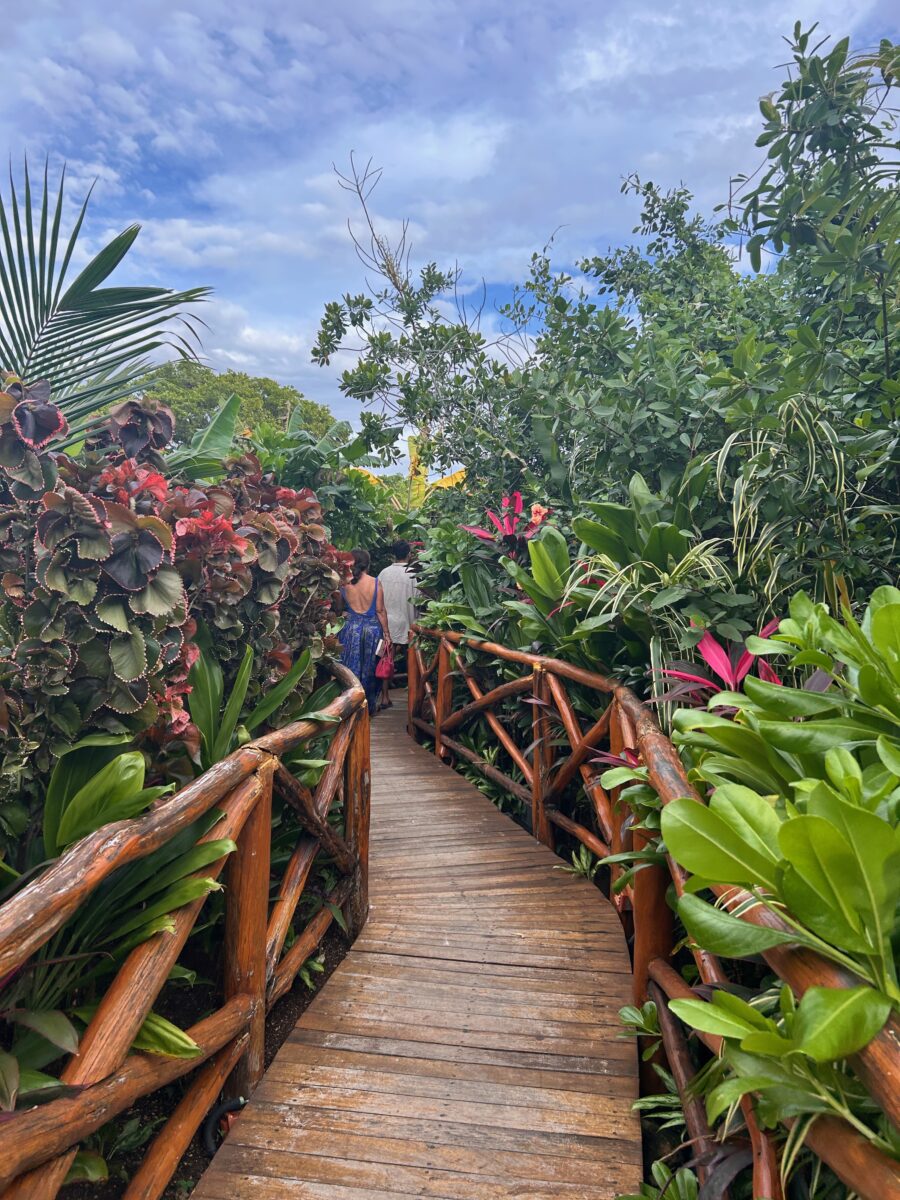
Here are my 5 favourite cenotes with breathtaking views within 20 min of Tulum. You can download the list of locations directly on Google Maps. Make sure to bring a snorkeling mask! Looking below water level is like stepping into another world.
Cenote Encantado
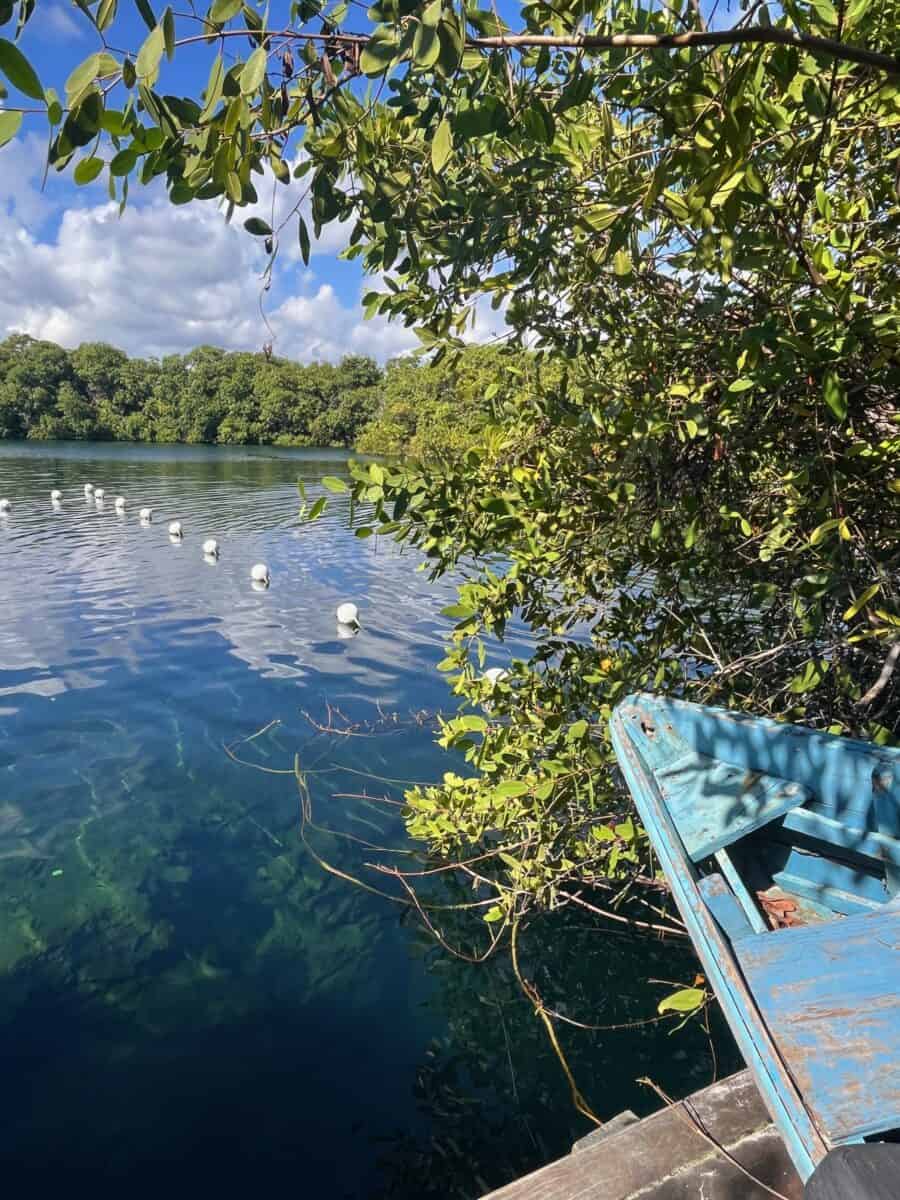
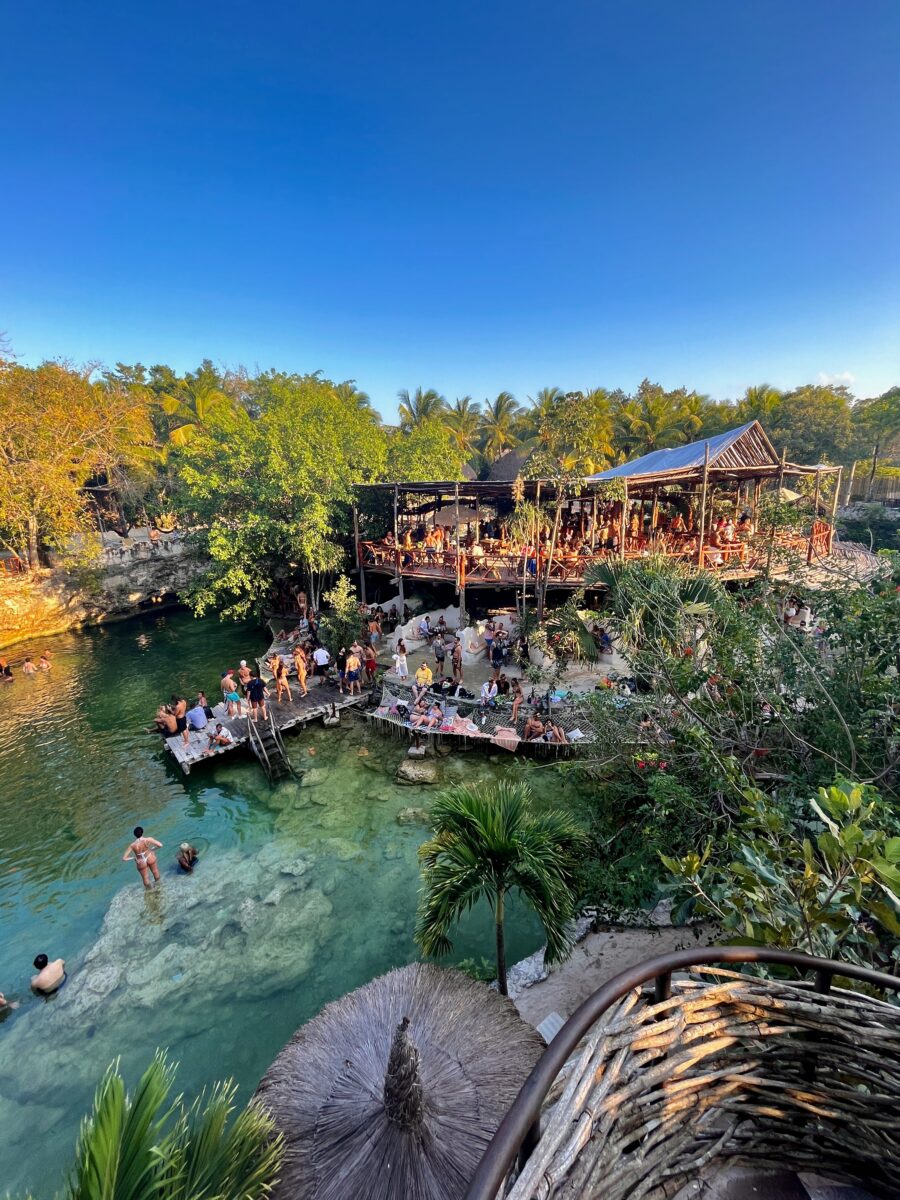
I love the cenote Encantado for its panoramic views. It is big and open, with the possibility to swim, kayak, or paddle board throughout. Additionally, it is relatively quiet despite its location right off the main road of the hotel zone.
There are many ways of accessing it; however, the one I recommend the most is via the café Pies Descalzos which has direct deck access to the water. This way, you only pay your drinks or food and no entrance fee. They have delicious smoothies, cocktails ,and small dishes such as guacamole and pancakes. Bonus points for the small parking and free wifi.
I recommend discovering other spots on the bank if you can. The hotel next door has an epic rooftop with panoramic view on the cenote.
Shibari
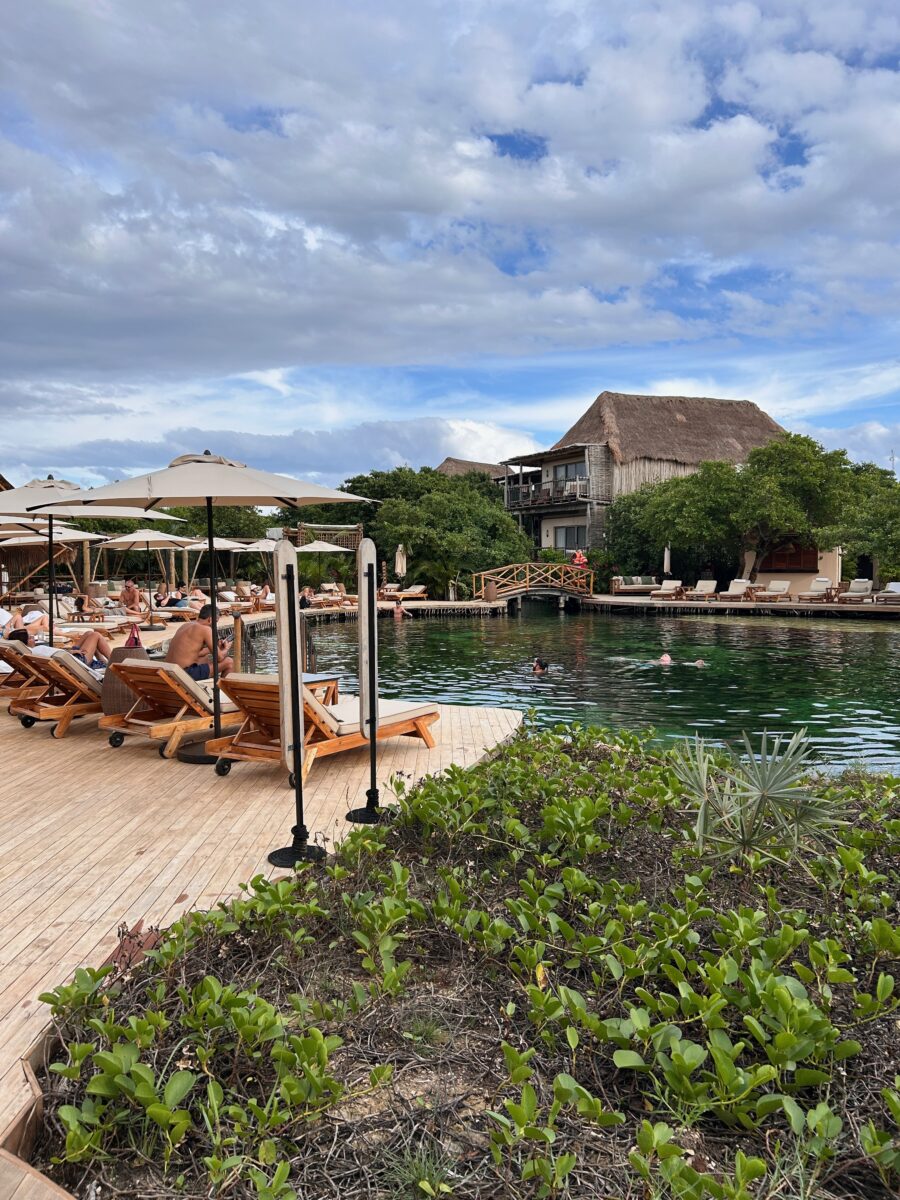
The cenote at Shibari Hotel is ideal if you want a calm, curated experience. It’s a naturally formed cenote that’s been thoughtfully integrated into the hotel’s design, with safe entry points, clean walkways, and comfortable areas to sit or relax between swims. Entrance is free for hotel guests and is MXN 400 for visitors (including a drink).
The water is clear and cool, perfect for a refreshing dip before breakfast or unwinding after a day out. Because it’s private, it’s far less crowded than public cenotes, making it great for peaceful swimming, photos, or quiet moments. If you prefer accessibility, convenience, and tranquillity over adventure, this cenote is the one!
Cenote Yax-Kin
This cenote is made of several areas with different levels of depth, which is ideal for people who prefer to see where they swim as the water is very clear and shallow. It’s also great for children and adults learning how to swim. Besides, cenote Yax-Kin has several areas where you can lounge and relax, including a small restaurant.
The cenote is surrounded by beautiful plants and wildlife, including iguanas. It’s the perfect spot for an afternoon of tanning and relaxing in the water. I would avoid weekends and peak times so that you can enjoy this cenote without much people. We once arrived there around 3PM and there was no one else but us!
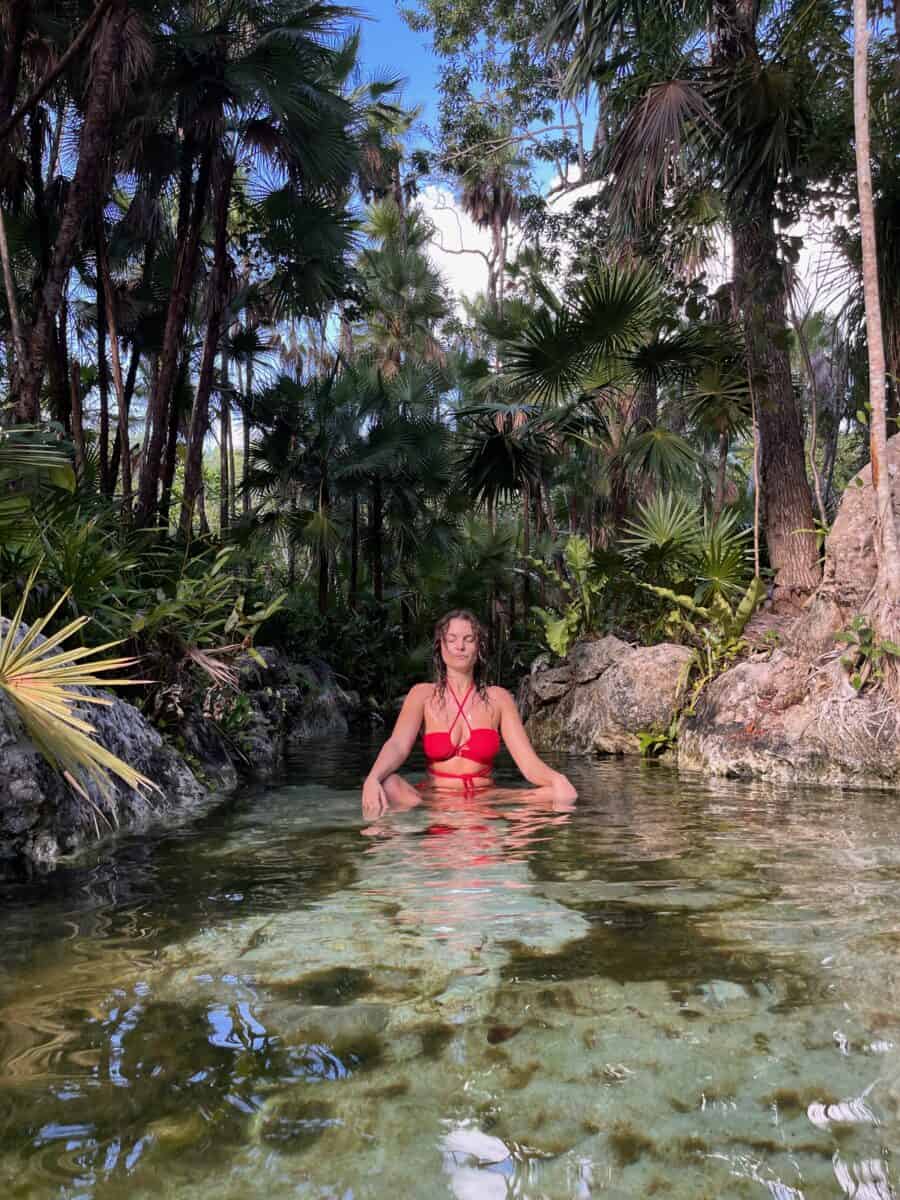
Casa Cenote
If you are looking for a thrilling experience, this is it! This cenote, located 15 minutes from Tulum’s town, provides snorkelling and diving equipment to go through a beautiful river-like path in the middle of the jungle. Prepare for incredible views of wild schools of fish, mangrove, and perhaps even… a friendly crocodile.
It’s also just across from a free beach entrance, which is perfect to warm up afterwards and eat a fresh ceviche with a margarita.  Thank me later! You just cannot miss it if you love adventures just like me.
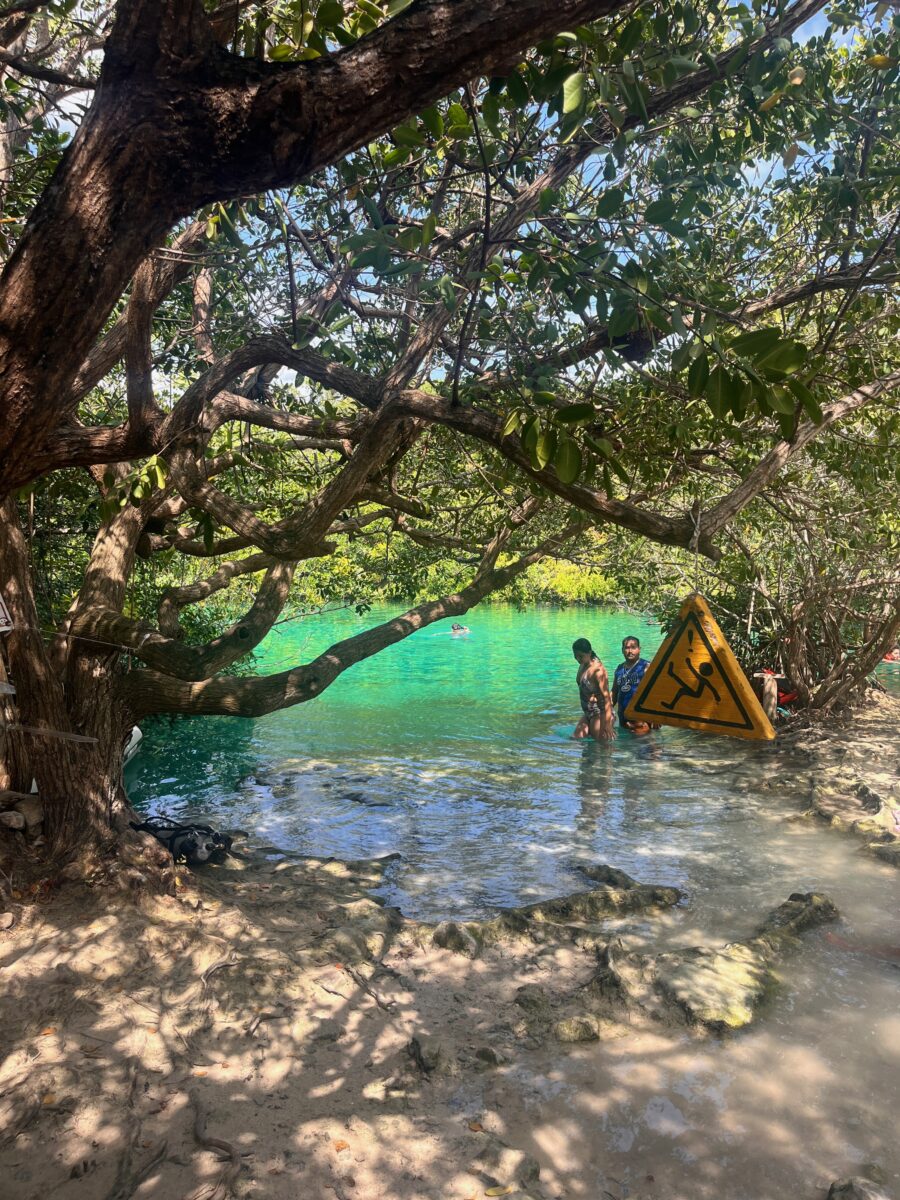
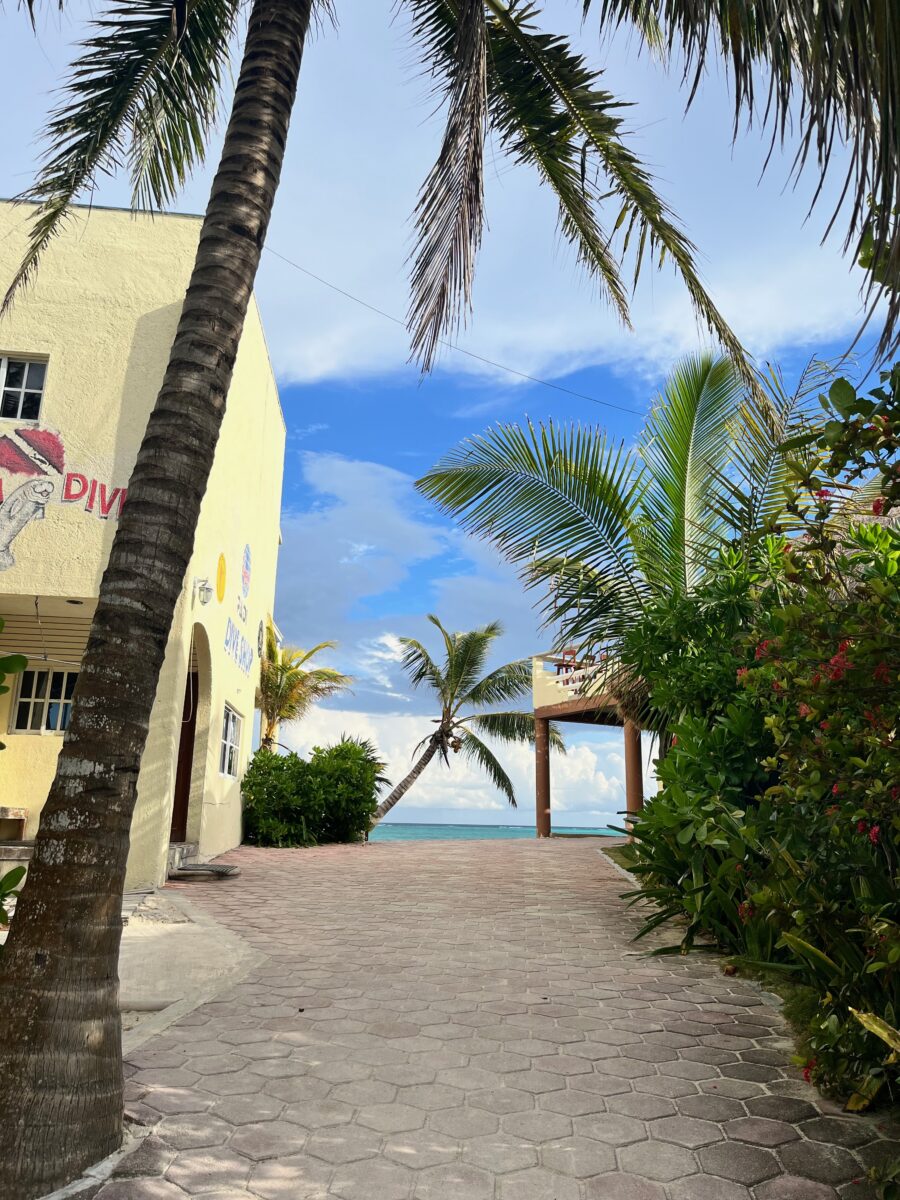
Tankah Bay
This is the view across from Casa Cenote. This side of the beach is part of the more secluded and exclusive zone of Tulum called Tankah Bay. It’s more tranquil and thus nature is better preserved. Definitely worth exploring!
Cenote Escondido
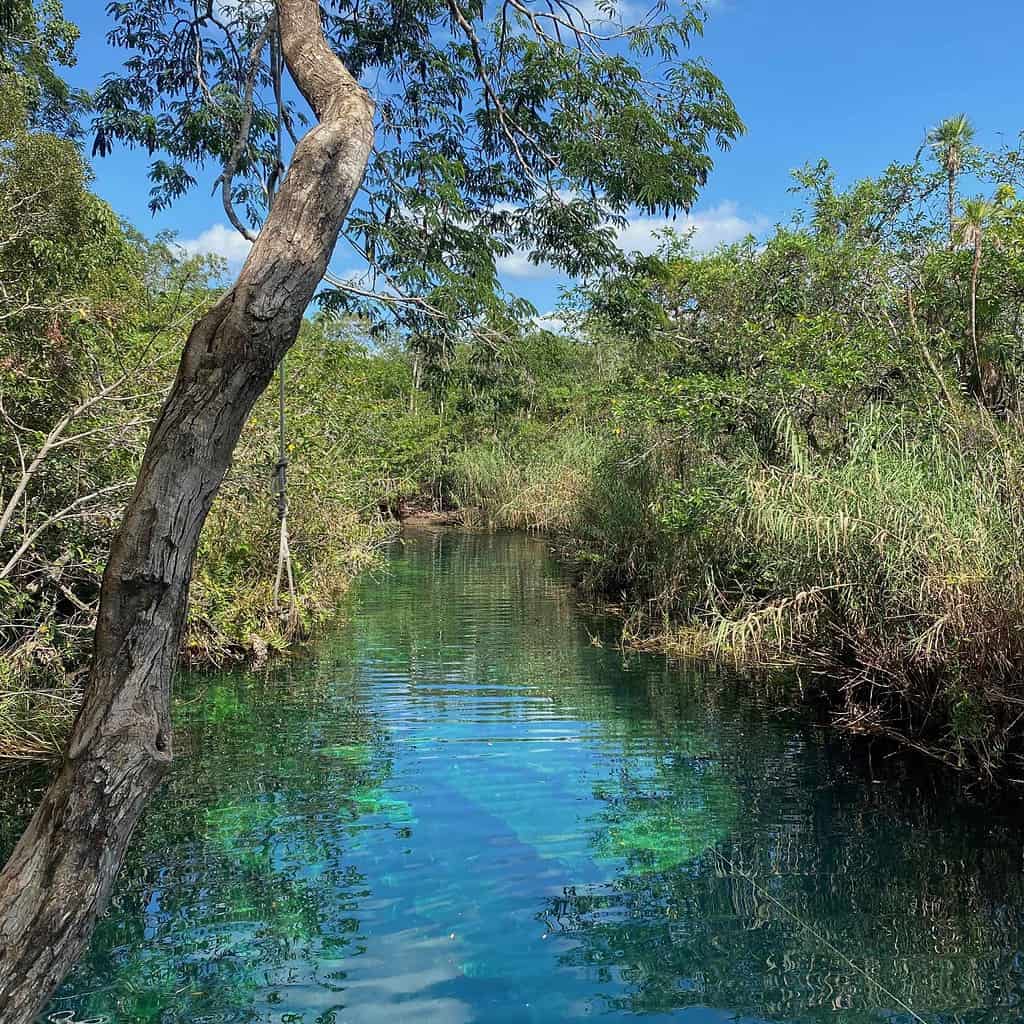
I like the cenote Escondido for its ease of access. Its name literally means “hidden”. It is owned by a local family who takes care of two cenotes: Cristal & Escondido. They are close to each other and can be visited together or separately. The entrance fee for both is 300 pesos (13€) per person.
It is open and has many chilling areas, including hammocks, either in the sun or shadow. For this reason, Cenote Escondido is a great choice to spend the afternoon and relax. It features a rope jump spot, beautiful waterlilies, and.
Like many other cenotes of this type, Cenote Escondido has loads of curious little fish you may come and bite your skin (it can be surprising but does not hurt).
Cenote Taak Bi Ha
I recommend the cenote Taak Bi Ha for a unique experience. It is underground, which means the pool of fresh water is in a cave. There are many cenotes of this kind around Tulum, but they can be quite dark in my opinion. Taak Bi Ha is particularly bright and big, with many little magical corners to explore.
The entrance fee is of 400 pesos per person (18€). It’s on the higher end of the cenotes entrance fees, but totally wort it. If you can, arrive early or wait for groups to leave the area so that you can enjoy the cenote by yourself. Trust me, it’s a totally different experience. You may rent snorkelling equipment and will be asked to take a shower before entering.
If you want to scuba dive, book a guided tour in advance here.
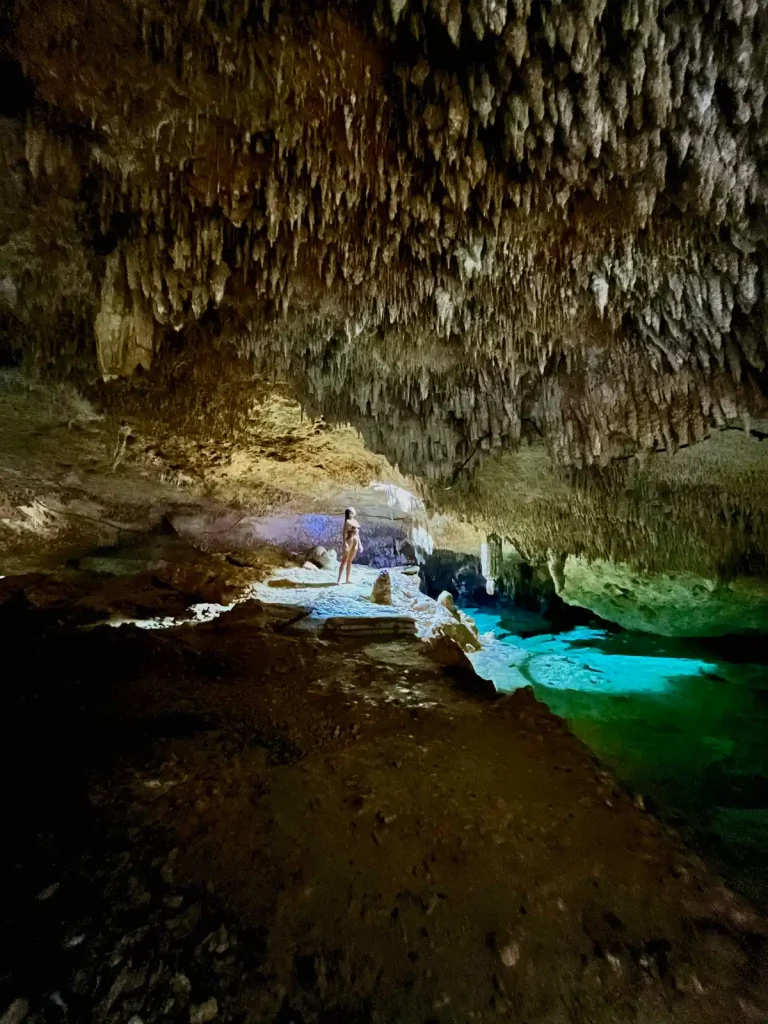
Tankah Park
Tankah is by far the best cenote park I have visited in Tulum. It is a natural reserve owned by Mayan families with five cenotes, a common table, and local accommodations.
It is only possible to visit Tankah via a tour agency and upon reservation (book here). Once arrived, you will have four hours to enjoy the park with a local who will guide you through the cenotes and end with a delicious Mexican buffet. Therefore, you will most of the time be the only group in each cenote, which is a genuinely magical experience.
Zip lines, jumps, kayaks, turtles, exotic fish and birds, Tankah has it all. The entrance fee is around 3000 pesos (150€) per person, including transport and lunch. Absolutely worth it. I cannot wait to go back.
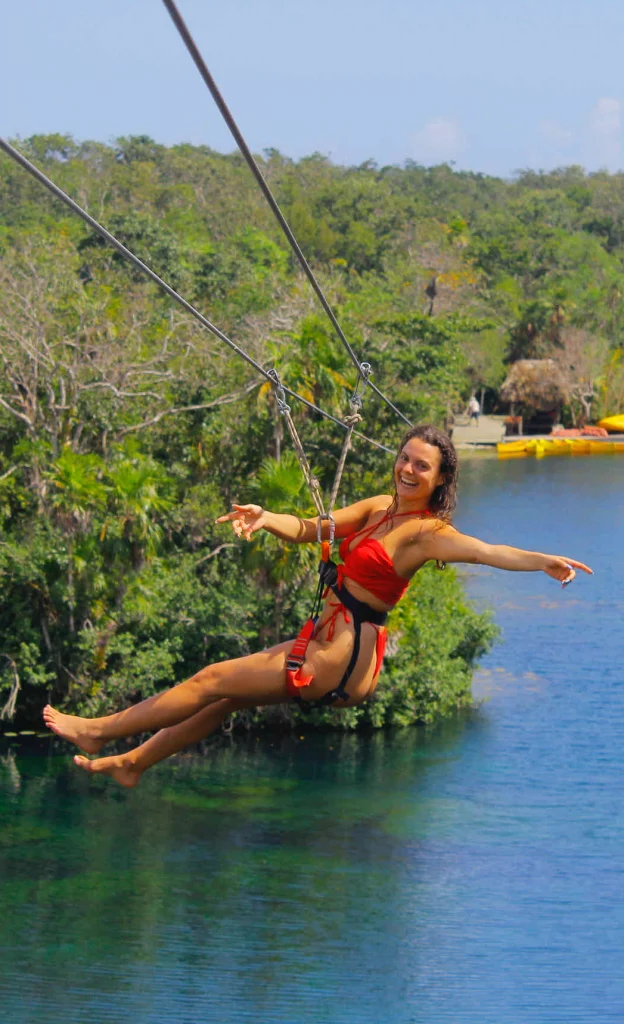
Vesica
Cenote Vesica is a practical choice if you want a cenote with vibes. It focuses on amenities and comfort, with wellness and social activities such as DJ sets and yoga classes.
The cenote has clear, swimmable water, sturdy wooden platforms, loungers, changing areas, and on-site food and drinks, making it easy to spend a full afternoon there. It operates more like a day club, so expect curated music and a social crowd. Entrance fee is MXN 250 for locals and MXN 500 for foreigners, which is used as credit at the restaurant.
The water is deep but calm, great for confident swimmers, and staff provide lifejackets if needed. If you’re looking for a cenote experience that’s organised, comfortable, and easy to navigate, Vesica is a solid pick.
It’s also very popular, especially on weekends. Definitely book this one in advance!
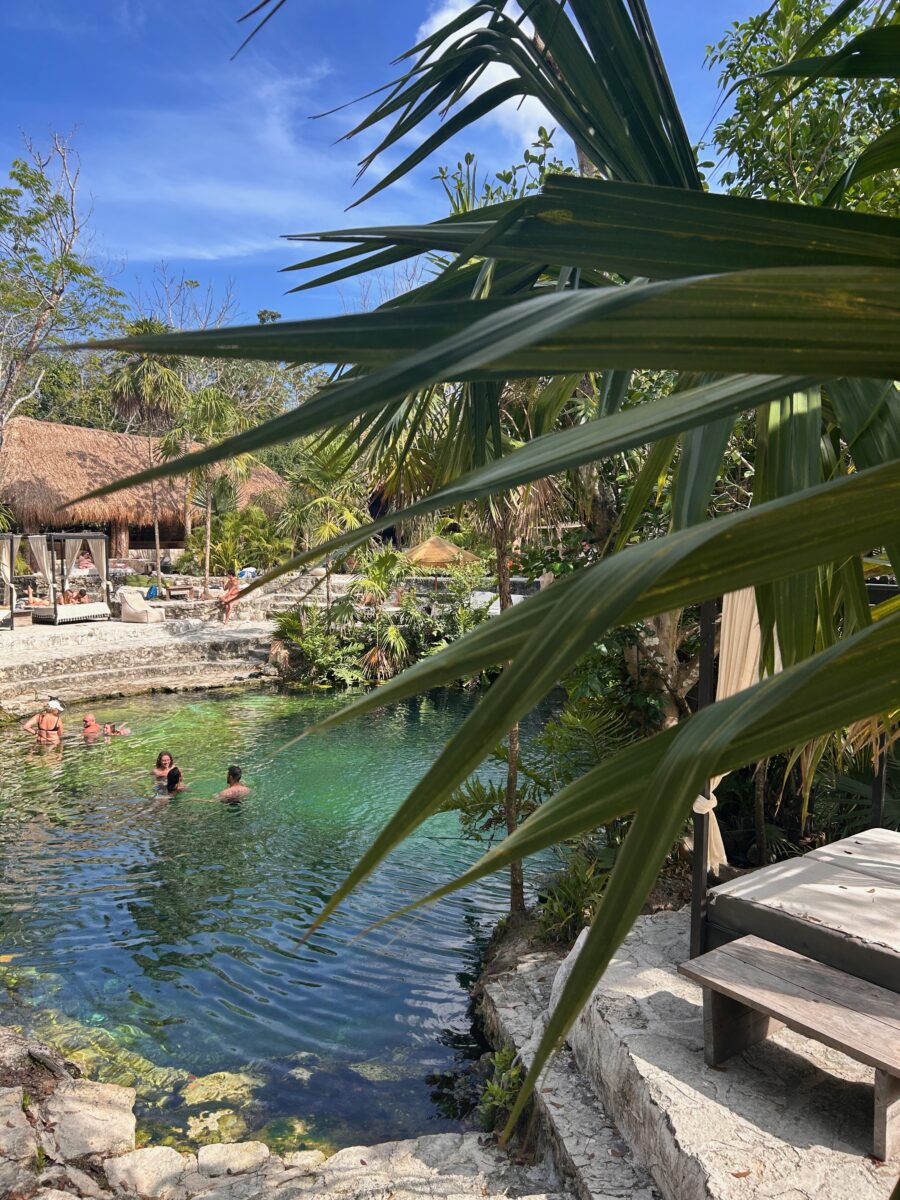

My Complete Guide to Tulum
I wanted to gather tips and experiences after living in Tulum for several years, so I made this travel guide with information about how to get to Tulum, how to move around, where to stay, and what to do!
Frequently Asked Questions
Here’s a quick FAQ to help you navigate cenotes with confidence and enjoy these magical natural pools like a pro.
1. What exactly is a cenote?
A cenote is a natural freshwater sinkhole formed when limestone collapses and exposes underground rivers. Found mostly in the Yucatán Peninsula, cenotes were sacred to the Maya, who saw them as gateways to the underworld and vital water sources. Today, they’re popular for swimming, snorkelling, and diving thanks to their crystal-clear water and unique geological formations. Each cenote has its own personality (open pools, caves, or hidden underground chambers), making them one of the most magical natural attractions in Mexico.
2. Are cenotes safe for swimming?
Yes, cenotes are generally safe for swimming as long as you follow basic rules. Most have life jackets available, and the water is typically calm, clear, and cool. Some cenotes have deeper areas or overhanging rocks, so always watch your footing and avoid jumping in unfamiliar spots. If you’re not a confident swimmer, choose open cenotes with easy access points. Cenotes inside caves may require extra caution. Follow staff instructions and you’ll have a safe, refreshing experience.
3. Do I need to book cenotes in advance?
In most cases, no: cenotes work on a simple walk-in basis, and you can pay at the entrance. Popular spots near Tulum, like Cenote Escondido, can get busy, but they rarely require pre-booking unless you’re joining a guided dive. For remote cenotes or those inside protected areas (e.g. Tankah Park) or with a day club (e.g. Vesica), booking is recommended during high season. If you’re going with a tour company, they’ll handle reservations for you. Otherwise, spontaneous visits are totally normal.
4. What should I bring to a cenote?
Bring swimwear, a towel, biodegradable sunscreen, water, and cash for entrance fees. Water shoes can be helpful because some cenotes have rocky or slippery entrances. A dry bag keeps your things safe, especially if you plan to snorkel or move between platforms. Many cenotes don’t allow regular sunscreen because it harms the ecosystem, so rinse off before entering. Snorkel gear is a great bonus: visibility is usually excellent. Keep valuables minimal, as lockers aren’t available everywhere.
5. How much do cenotes cost to visit?
Entrance fees usually range from 150 to 400 MXN for standard cenotes, depending on size, facilities, and popularity. More touristy cenotes tend to cost more, sometimes up to 500 MXN. Cave diving cenotes typically charge extra for divers. Life jackets, lockers, and snorkel equipment may also have additional fees. Most cenotes accept cash only, so bringing pesos is essential. Prices can change seasonally, but overall, cenotes are an affordable and worthwhile activity.
Tulum Starter Pack
This starter pack is your shortcut to feeling at home in Tulum: no guesswork, all the essentials. Inside, you’ll find my favourite food stops, handy transport tips, grocery hacks, and clear guidance on beach access and the Jaguar Park. It’s designed to help you settle in fast and enjoy Tulum like a pro from day one.
6. What’s the best time of day to visit a cenote?
Early morning is ideal, typically between 8am and 10am, when cenotes are quiet, wildlife is more active, and the water feels extra refreshing. Semi-open cenotes also get beautiful light beams during late morning, depending on the sun. By midday, many popular cenotes become crowded with tours, so arriving early improves the experience. Late afternoons can be peaceful too, though most cenotes close before sunset. Always check opening hours before going, as each cenote operates on its own schedule.
7. Are cenotes suitable for children?
Yes, many cenotes are family-friendly, especially open cenotes with shallow areas and easy steps into the water (e.g. Cenote Yax Kin). Life jackets are often mandatory for children, which adds an extra layer of safety. However, cave cenotes or those with ladders, deep drops, or slippery rocks may be challenging for younger kids. If visiting as a family, look for cenotes with platforms, calm water, and shaded areas for breaks, such as Vesica or Shibari. Always supervise closely, as cenotes vary widely in depth and layout.
8. Can you snorkel or dive in cenotes?
Absolutely! Cenotes offer some of the clearest freshwater for snorkelling, with visibility often reaching 100 metres. Snorkelling lets you admire limestone formations, roots, tiny fish, and beams of light under the water. Certified divers can explore deeper cave systems, but diving is regulated and allowed only with experienced cave-diving guides. Many cenotes have on-site rental gear (e.g. Taak Bi Ha and Casa Cenote), but bringing your own snorkel is more comfortable. Whether you float at the surface or venture deeper, it’s a unique experience.
9. Why can’t I wear regular sunscreen in cenotes?
Regular sunscreen contains chemicals that harm cenote ecosystems, especially fish, plants, and the delicate underground water network. Even “reef-safe” sunscreen isn’t allowed in many cenotes, because residues linger in the water. To protect the environment, cenotes typically ask visitors to shower before entering. The best approach is wearing a rashguard for sun protection and applying sunscreen only after you’ve finished swimming. These small steps help preserve cenotes for future generations and maintain their famously clear water.
10. How do I choose which cenote to visit?
It depends on the experience you want. Open cenotes are great for sun and easy swimming; cave cenotes offer mystery and adventure; semi-open cenotes strike a balance with beautiful light beams. If you want a quiet local spot, choose smaller, less-developed cenotes outside major towns. Consider factors like depth, accessibility, and whether you prefer relaxation or exploration. With hundreds of cenotes around, there’s one for every mood.
Hi! I’m Sophie
I am a social scientist and world explorer. In my work, I analyse the evolving meaning of security. I enjoy traveling, yoga, and electronic music in my free time. I consider myself an enthusiastic feminist and self-care advocate.