


Mexico Travel Guide

The best of Mexican culture and nature

I am lucky to call Mexico my home-away-from-home. It’s been a truly life-changing experience to discover this extraordinary country, as culturally rich as it is visually breathtaking. Many times, seeing the beauty of Mexican beaches, lagoons, jungles, or calm villages, I found myself taken by emotions. There is just no place on earth that compares to Mexico.

In this travel guide, I hope to offer useful advice based on my own experience in Mexico. I’ve lived and travelled through most of Southern Mexico, as well as Mexico City. The Yucatán Peninsula, in particular, is a region I have vastly explored and adored. I highly recommend it to anyone seeking relaxation, first-class entertainment, and unrivalled natural beauty.

Table of Contents

Where is Mexico?

Mexico, located in the southern part of North America, is a country celebrated for its diverse geography and vibrant landscapes. Bordered to the north by the United States and to the southeast by Guatemala and Belize, it is flanked by the Pacific Ocean to the west and the Gulf of Mexico and the Caribbean Sea to the east. This unique position gives Mexico an extensive coastline that stretches over 9,000 kilometers, featuring serene beaches, dramatic cliffs, and picturesque bays. Inland, the geography transforms into vast deserts, lush jungles, and towering mountain ranges like the Sierra Madre Occidental and Sierra Madre Oriental.

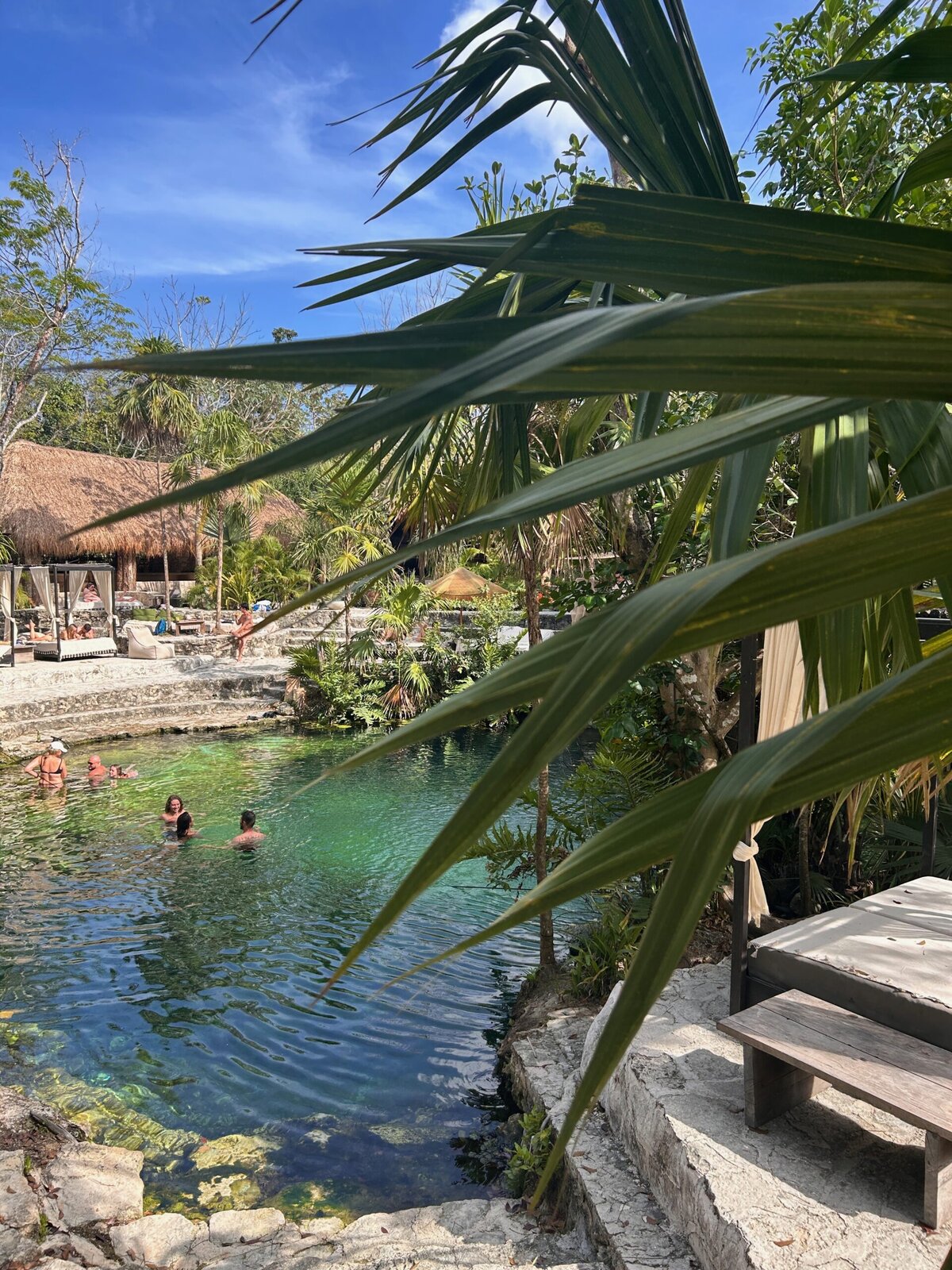
The heart of Mexico is home to the Mexican Plateau, a highland region that includes sprawling valleys and some of the country’s most populous cities, like Mexico City. To the south, the Yucatán Peninsula offers a stark contrast with its flat terrain, tropical rainforests, and cenotes—natural sinkholes filled with crystal-clear water. Each region of Mexico has its own unique charm, from the volcanic peaks and pine forests of the central highlands to the arid landscapes of Baja California and the vibrant coral reefs of the Caribbean. With its incredible variety of natural wonders, Mexico is a land where geography has shaped its culture and history at every turn.

About Mexico

Mexico’s history is a dynamic interplay of ancient civilizations, colonial encounters, and revolutionary change. Long before the arrival of Europeans, it was the heartland of advanced societies like the Olmecs, Maya, and Aztecs, whose achievements in architecture, astronomy, and governance continue to awe the modern world. Monuments such as Teotihuacan and Chichén Itzá are silent witnesses to the ingenuity and complexity of these cultures. The Spanish conquest in the 16th century brought profound upheaval, merging Indigenous traditions with European influences to create a deeply layered society, visible in everything from colonial cities to religious practices that blend Catholic and pre-Hispanic elements.

The 19th and 20th centuries reshaped Mexico through independence movements, social revolutions, and cultural renaissances. These eras cultivated a resilient national spirit that manifests in distinctive traditions, from the vivid altars of Día de los Muertos to the intricate embroidery of regional textiles. Mexican cuisine, grounded in millennia of Indigenous culinary wisdom, has evolved into a globally celebrated art form, with dishes like tacos and tamales embodying a fusion of old and new. Today, Mexico’s culture thrives at the intersection of its ancient roots and modern expressions, offering a narrative of continuous reinvention and a deep connection to its storied past.

Mexico is part of North America

What's in this Guide?

Throughout my adventures, I had the chance of visiting the Yucatán Peninsula and Mexico City, including four years living in Tulum. My personal preference goes for beach towns and locations close to the water, so this is reflected in my suggestions. Some of the places I have visited and adored include Bacalar, Tulum, Playa Del Carmen, Cozumel, Holbox, El Cuyo, and Mexico City.

In this guide, I offer advice and recommendations exclusively based on my own experiences (no partnership or sponsorship). Every recommendation below is based on my own personal experiences and trips I paid for entirely myself. I make small commissions for any booking you place with the links below, while it’s the same price for you. As always, my favourite experiences were off the beaten path, in awe-inspiring nature. If this sounds like the type of travel experiences you like, get that playlist on, keep on reading, you won’t be disappointed!

Tulum Travel Guide

I’ve gathered all my tips and favourite spots in this guide, after living in Tulum for several years. It has all the information you need: how to get to Tulum, how to move around, where to stay, and what to do!

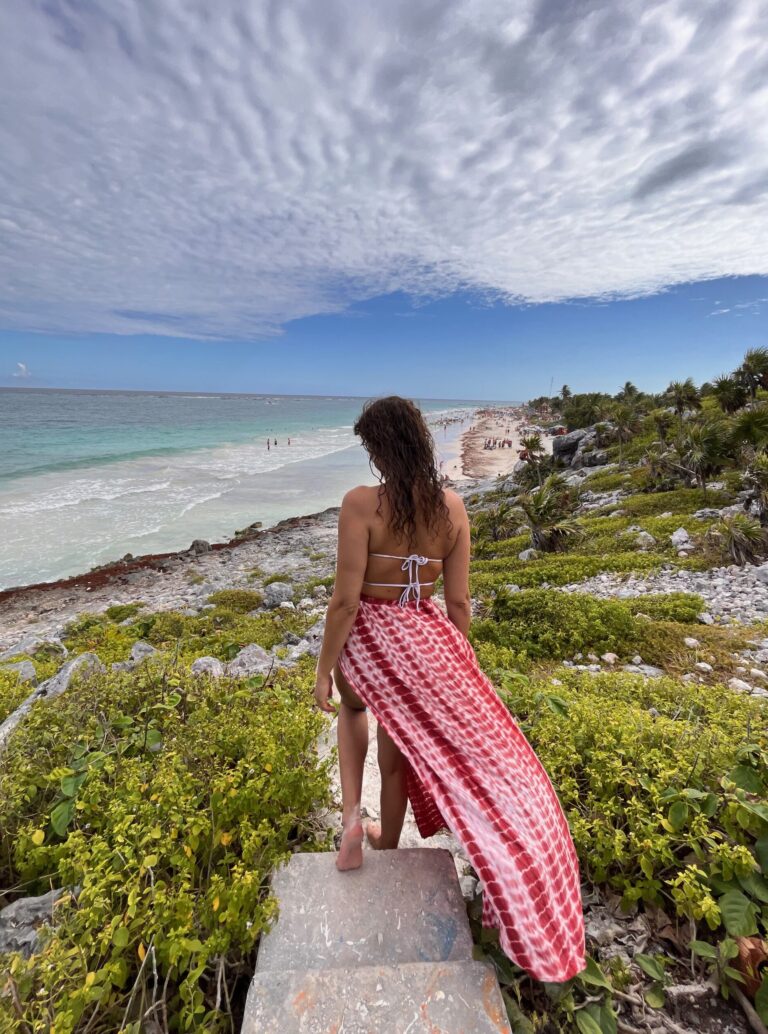
a woman overlooking the beach of Tulum from the standpoint of the Mayan ruins

When to go to Mexico?

Mexico is a year-round destination, thanks to its diverse climates and regions, but the best time to visit depends on what you’re seeking. The dry season, from November to April, is the most popular with travelers. Winter months bring cooler, pleasant weather in most regions, especially ideal for exploring cities like Mexico City, Puebla, and Guadalajara, or the archaeological sites in the Yucatán Peninsula. On the coasts, temperatures are mild, and the clear skies make this the perfect time for beach vacations in Cancún, Tulum, or Puerto Vallarta. However, this is also peak tourist season, meaning higher prices and larger crowds, especially around Christmas, New Year’s, and Semana Santa (Holy Week).

The rainy season, from May to October, has its own appeal, with lush landscapes and fewer crowds. Although rain is frequent, it usually comes in short, intense bursts during the afternoon, leaving mornings and evenings clear for activities. Summer is particularly good for budget travelers, as accommodations and flights tend to be more affordable. Coastal areas, however, can be hot and humid, with the potential for hurricanes from June to November, primarily along the Caribbean and Pacific coasts. Autumn (September and October) offers a quieter atmosphere and marks the start of festivals like Día de los Muertos, a cultural highlight.

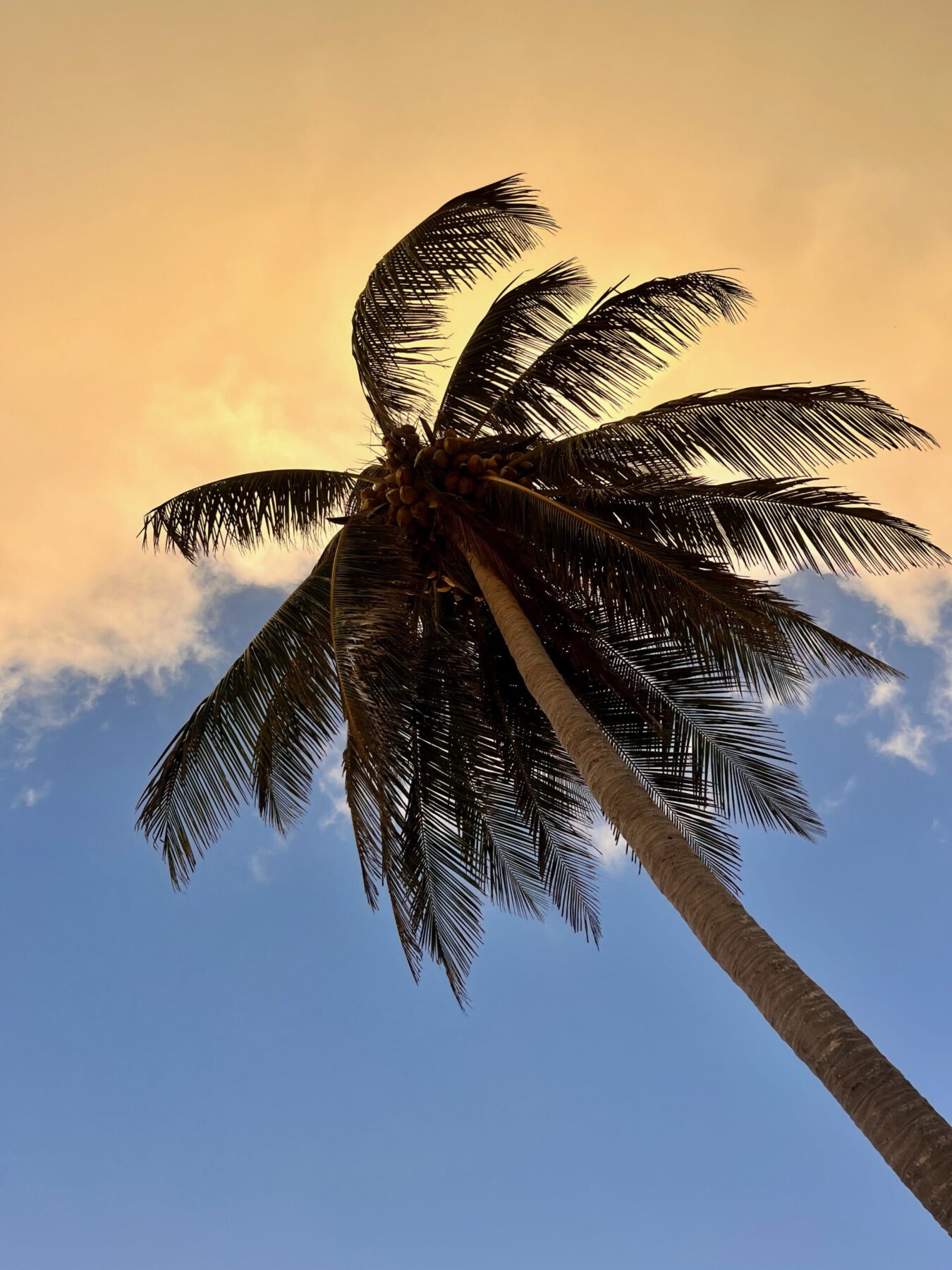
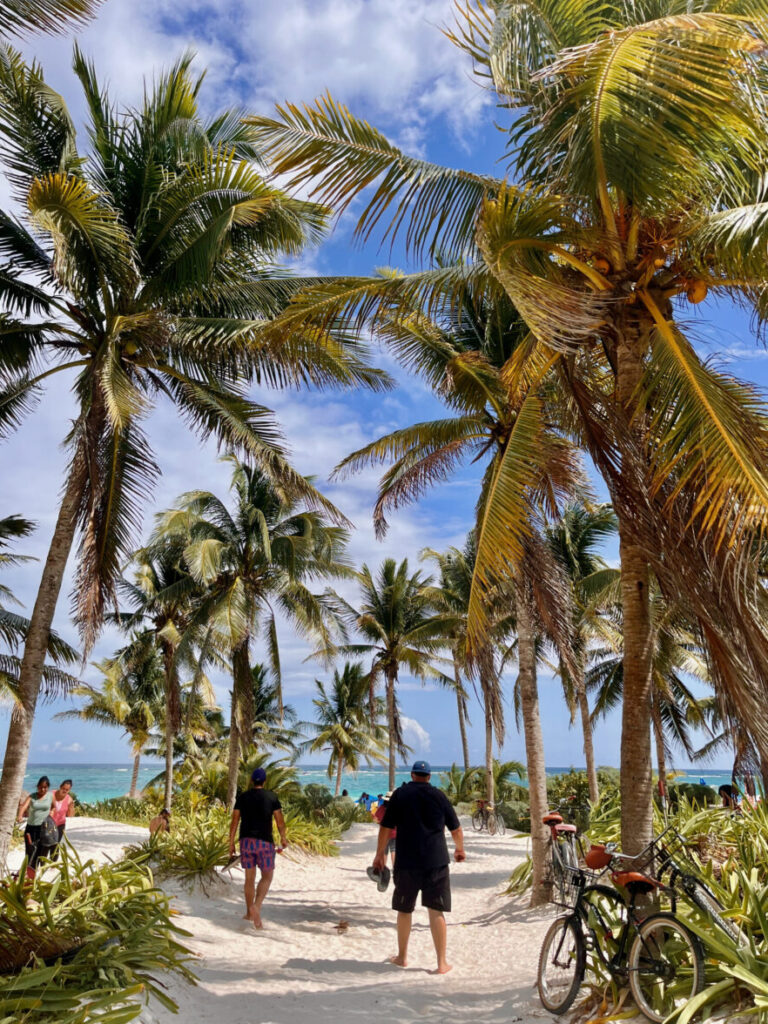
Tulum beach with palm trees and blue sky

A pristine beach in Tulum, Mexico

A woman with sunglasses taking a selfie for Instagram on a charming street of Oslo.

Hi! I’m Sophie

I am a social scientist and explorer. I write about global society, travel, academia, personal growth, and technology. Nothing makes me happier than learning and discovering the wonders of the world.

Why visit Mexico?

Mexico is a vibrant, diverse country that offers something for every kind of traveller, making it an ideal destination to explore. Its rich history and culture are visible everywhere, from the awe-inspiring Mayan and Aztec ruins like Chichen Itza and Teotihuacan to the colourful colonial towns of San Miguel de Allende and Oaxaca. Nature lovers can enjoy stunning beaches on both the Caribbean and Pacific coasts, go diving in cenotes, or explore lush jungles and dramatic mountains. Mexico is also a paradise for food enthusiasts, with world-renowned cuisine ranging from tacos and tamales to complex moles and fresh seafood. Beyond the sights and tastes, Mexico’s warm and welcoming people make the experience unforgettable. Whether you are seeking adventure, relaxation, or cultural immersion, Mexico has something to offer which I am sure will take your heart away just like it did for mine. 

My favourite things about Mexico

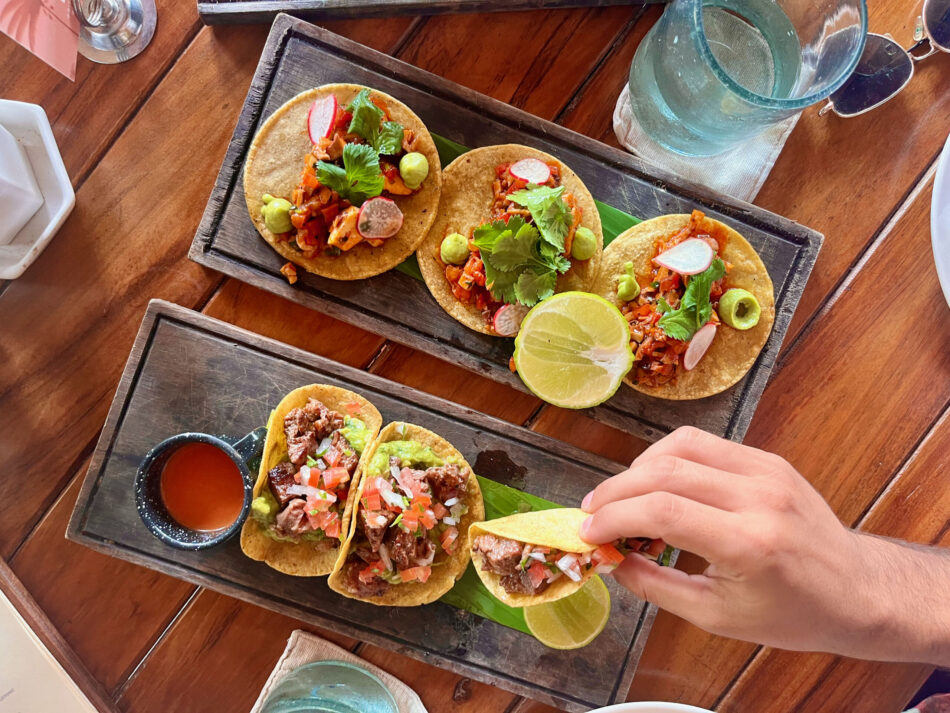
🌮 The endless variety of tacos – pastor, barbacoa, carnitas… yum!
🏖️ White sandy beaches and turquoise waters in Tulum and Holbox
🎨 Colourful murals and street art everywhere you go
🌋 Stunning mountain views near Mexico City
🪅 Lively fiestas and street parades that seem to pop up anytime
🎶 Mariachi music that makes you want to dance instantly
🌿 Lush jungles and mysterious cenotes perfect for exploring
🏛️ Ancient ruins like Chichen Itza, Coba, and Teotihuacan
🍫 Delicious “fresh waters” like horchata and maracuya

🍹 Refreshing margaritas and mezcal tastings at sunset
🎭 Day of the Dead celebrations full of colour and meaning
🧵 Artisan markets with handwoven textiles and pottery
🚋 Wandering through charming colonial towns like Valladolid
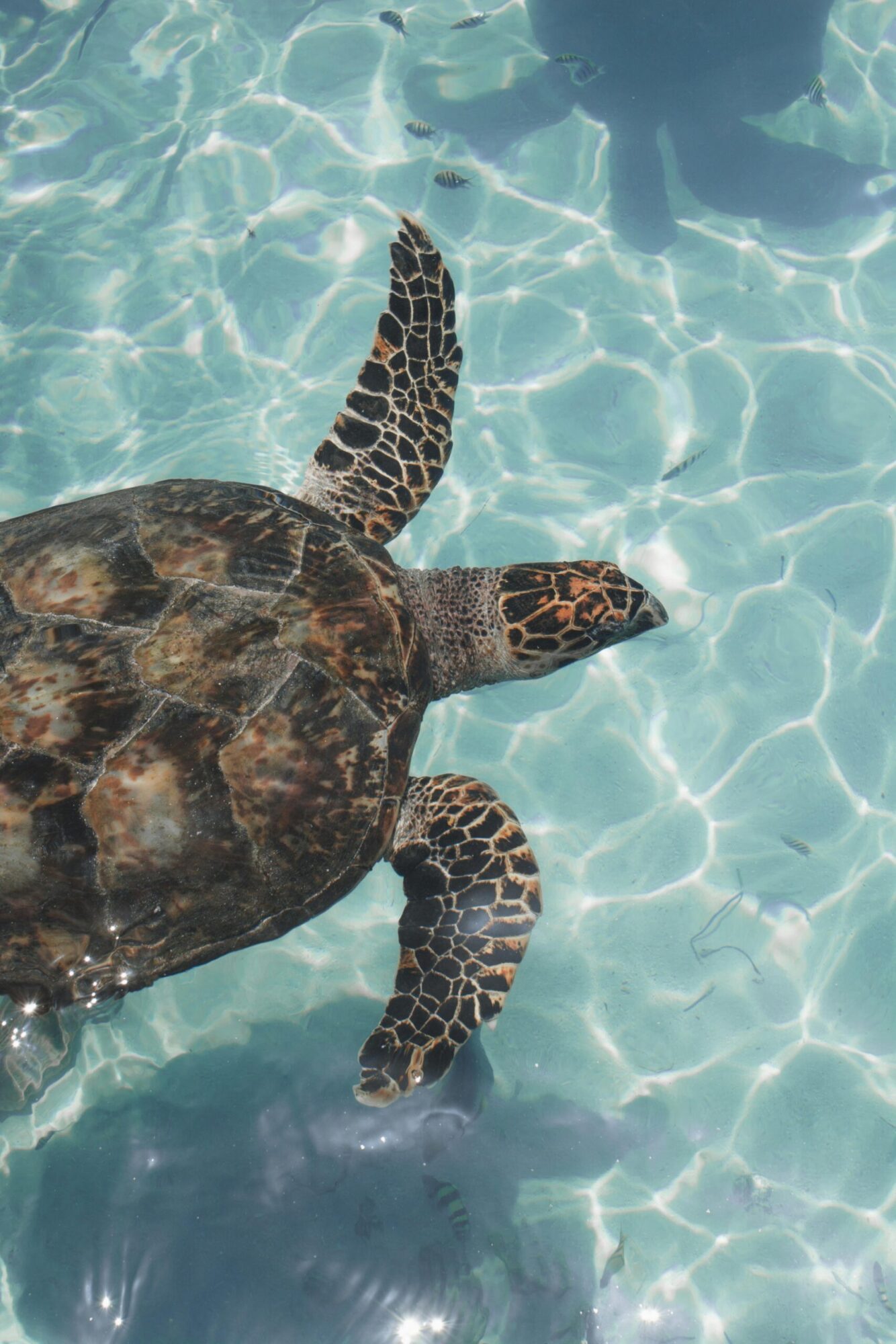
🐢 Spotting sea turtles and whale sharks in the wild
🛶 Floating down the canals of Xochimilco with friends
🌮 Late-night street food adventures after a night out
🌅 Golden sunsets over the the edge of the Caribbean Sea
🤗 The warmth and friendliness of the people everywhere

Where to stay in Mexico?

When planning your stay in Mexico, the choice of accommodation can greatly enhance your experience. For those seeking the best deals and trust-worthy hotels and rentals, Expedia offers extensive options across the country. From luxury resorts in Cancún to boutique hotels in Oaxaca, it caters to all budgets and preferences. I find it better than Booking because it does not over-charge, only features verified accommodations (no scams), and because the platform is more transparent and easier to use collaboratively.

Staying in a hotel is an excellent choice if you prefer full-service options, such as on-site restaurants, pools, or spa facilities, which are particularly appealing after a long day of exploring. Check out my favourite hotels, villas, and condo apartments in Tulum over here!

If you’re traveling with a group or prefer a more private space, Airbnb is the go-to platform for renting villas or unique properties. Mexico has a wealth of options, from beachfront villas in Tulum to colonial-style houses in Mérida. For budget travellers or those wanting to stray off the beaten path, Google Maps can help uncover hidden gems like guesthouses or family-run accommodations not listed on major booking platforms. These stays often provide an intimate look into local life, enriching your journey in unexpected ways.

a treehouse at KAN Tulum hotel

A treehouse at KAN Tulum Hotel

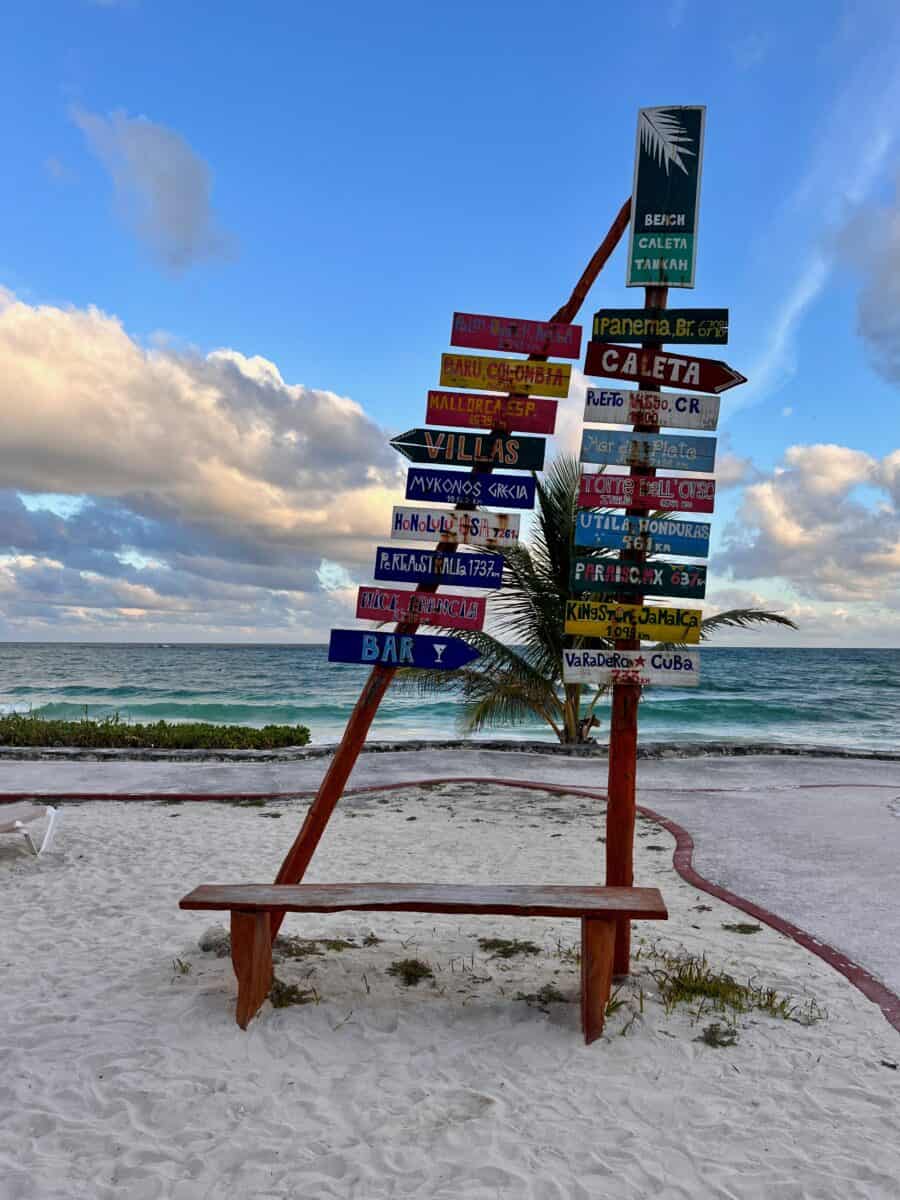
Colorful beach signpost with multiple directional signs indicating various tropical destinations, set against a sandy beach background with the ocean and sky.

The beach of Caleta Tankah in Quintana Rio

How to get around Mexico?

Getting around Mexico is both easy and flexible, with affordable car rentals as well as developed public transport systems. Renting a car is the most practical choice, especially for those planning to explore multiple destinations, for example around the Yucatán Peninsula. Rental prices in Mexico are relatively cheap (starting from 15USD per day), making this option accessible for many. I recommend Skyscanner to compare car rental (as well as flights) prices. You can pick up vehicles at major airports, including the newly opened Tulum International Airport, or in cities like Mexico City and Cancún. Be sure to respect transport regulations and always carry your driving license as well as the car’s papers, to avoid issues when stopped by traffic controls. 

For travelers preferring public transport, Mexico’s network is increasingly modern and efficient. The ADO buses are a reliable and comfortable option, connecting major cities, archaeological sites, and beach destinations. They feature reclining seats and air conditioning, offering a cost-effective alternative to driving. Another exciting development is the Tren Maya (Mayan Train), which links key locations across the Yucatán Peninsula, providing an eco-friendly way to visit iconic spots like Chichén Itzá and Tulum. 

How to get to Tulum?

☕️

Are you enjoying this post?

If you’ve enjoyed reading my blog, learned something new, or found inspiration here, consider supporting me:

Is Mexico safe to visit?

Yes, Mexico is safe for travellers if you take the same precautions you would in any other country. Millions of tourists visit every year without issues, including myself! Popular destinations like Mexico City, Tulum, Cancún, Oaxaca, and San Miguel de Allende are generally very safe, with developed infrastructure and police presence. Use common sense: avoid flashing valuables, take authorised taxis or rideshares, and stay in well-lit areas at night. Keep updated on local news and follow advice from locals or your accommodation hosts. Each region is different: some remote border areas may not be advisable for travel, but these are far from most tourist spots. Like anywhere, petty crime can occur, so keep your belongings secure. With good planning, Mexico offers an incredibly rewarding, vibrant, and welcoming experience that attracts travellers of all ages.

The Postal Palace in Mexico City

Do I need a visa to travel to Mexico?

For most visitors, Mexico is very easy to access. Travellers from the EU, UK, US, Canada, Australia, and many other countries do not need a visa for short stays (up to 180 days) for tourism. You will receive a Forma Migratoria Múltiple (FMM), a tourist card, on arrival (either digitally or as a paper slip) which you must keep safe and present when leaving the country. Your passport should be valid for at least six months beyond your travel dates. If you plan to stay longer than 180 days, work, or study, you’ll need to apply for the appropriate visa at a Mexican consulate. Always double-check the latest entry requirements before travelling, as regulations can change. Overall, Mexico is one of the most straightforward destinations to enter, making it easy for visitors to enjoy its many cultural and natural wonders.

Practical Tips for Mexico

Scams

As for every touristic destination, it’s easy to fall for scams in Mexico. The most common one is to not ask for the price before agreeing to the purchase of a good or service. Whether you’re taking a taxi or buying a fresh coconut on the beach, make sure to ask about price beforehand to avoid unpleasant surprises. Most of the time, it is possible to negotiate. There are also large differences between towns. Taxis are relatively cheap with fixed prices in cities like Playa Del Carmen, but are exorbitant and unpredictable in Tulum.

Of course, a general word of caution is advised, for example carefully checking to the amount featured on a payment terminal before paying and avoiding restaurants where waiters beg you to come in (if it’s good, they usually don’t have to!). 

What should I bring with me?

Internet

Most hotels and restaurants in Mexico will have free and high-speed wifi. Digital nomads are increasingly choosing this country as a place to live and work remotely, so work cafés are common. 

If you like to explore more remote areas or access internet on the go, for example to consult Google Maps or listen to podcasts, it’s essential to have mobile internet. I always use Holafly to purchase an eSim (get a 5% discount here). It’s super easy and quick to set up, and incredibly reliable. This way, you can get unlimited and fast internet anywhere you want, without having to spend time buying a new physical sim card. Ideal!

Safety

Recent data shows that the crime index in many parts of Mexico is comparable to or even lower than in major cities in the United States, such as Miami. Occasional violent incidents typically do not involve tourists but are often linked to disputes between cartels. However, it’s important to exercise caution, for example when walking in the evening or at night, especially alone. Avoid isolated or poorly lit areas and stick to lively streets with open shops, guarded hotels, or condos. Driving around is relatively safe, whether by car or scooter, but always remain vigilant, especially when it’s dark.

Like most tourist destinations, it’s common to experience petty theft in Mexico (although it never happened to me personally!). Basic precautions, like not displaying wealth and being mindful during negotiations, can go a long way. Corruption and organized crime remain challenges in some areas, and local authorities may impose hefty fines for minor infractions, particularly on the road. Be extra careful when driving, particularly at night, to avoid unnecessary interactions with the traffic police. To minimize risks, keep a low profile, especially in unfamiliar areas or after dark.

If you experience or witness a crime in Mexico, report it by calling 911. Refrain from engaging in any illegal or corrupt practices, as they can often be the root of violence. Many forums and travel blogs provide useful tips (see here) for first-time visitors to Mexico on avoiding scams and ensuring a safe trip.

How safe is Tulum?

Food

Mexican cuisine is an explosion of flavours, textures, and centuries-old traditions! Street food is an essential part of the experience—think tacos al pastor served from a sizzling spit or esquites, a comforting cup of corn, lime, and cheese. When exploring, seek out the stalls with bustling crowds, a sign of both quality and freshness, and remember to drink bottled water exclusively.

Different regions bring their own flair to the table. In Oaxaca, smoky mezcal pairs perfectly with tlayudas, while Yucatán’s dishes like cochinita pibil carry the  punch of achiote spices. Seafood lovers will find Baja California’s ceviche or Veracruz’s huachinango a la veracruzana irresistible. Whether sampling humble street tacos or tasting regional delicacies in fine dining restaurants, Mexican food will definitely be a highlight of your trip.

What to do in Mexico

Have a look at the posts below for plenty of ideas and inspiration for your trip to Mexico. My recommendations focus on authentic and affordable experiences, and are 100% based on my genuine opinion. I may make a small commission out of affiliate links (without changing the price for you).

Sophie L Vériter

Hi! I’m Sophie

I was born in Belgium, educated in Europe, and now exploring the world with the objective to understand how we can make it a better place.

I currently work as a doctoral researcher (PhD candidate) in The Hague. I hold a Masters degree (MPhil) from the University of Oxford and have 7+ years of experience as a consultant in public diplomacy, strategic communication, and global peace and security.

I believe travel can be an experience for personal growth and transformative connections.