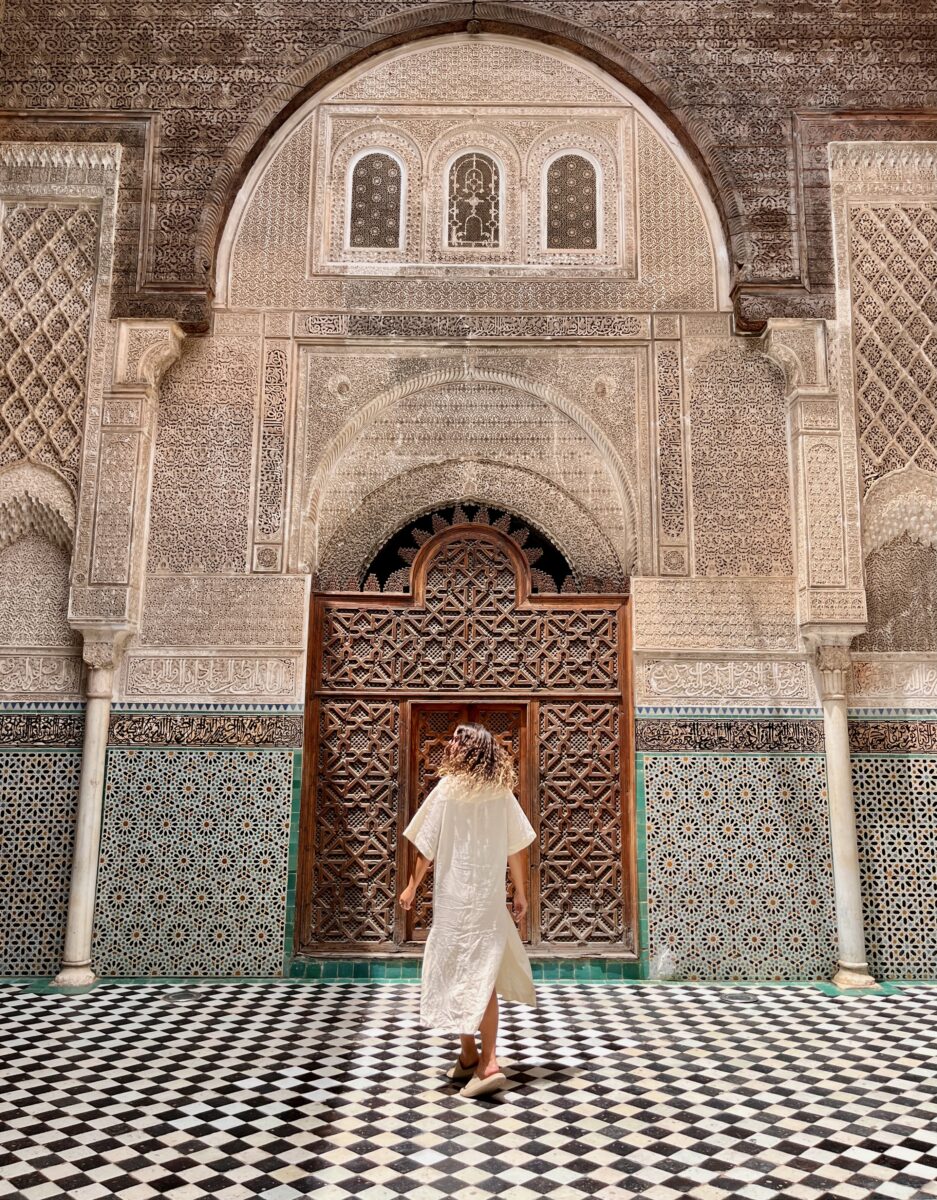
Brazil Travel Guide
My dreamy trips to Brazil
I had the chance to visit Brazil on several occasions to visit one of my best friends, Raissa. Together, we explored Rio de Janeiro and the state of Minas Gerais, and there is no better way to visit a country than with a local. This Brazil travel guide is the result of those trips: a collection of first-hand recommendations, insider knowledge, and advice you only get from someone who has lived there. From the lively streets of Rio to the colonial towns of Minas Gerais and waterfalls of Serra do Cipó, consider this your honest, personal, and thoroughly tested guide to one of the most extraordinary countries on earth.
Table of Contents
Where is Brazil?
Brazil, the largest country in South America and the fifth largest in the world, occupies nearly half the continent and borders every South American nation except Chile and Ecuador. Its geography is as vast as it is varied: from the world’s largest tropical rainforest in the Amazon Basin to the dramatic wetlands of the Pantanal, the golden coastline stretching over 7,000 kilometres along the Atlantic, and the highlands and plateaus of the interior. The southeast of Brazil, where this guide is focused, is characterised by a lush, mountainous landscape of rolling hills, Atlantic Forest remnants, and river valleys that give way, gradually, to the urban energy of some of Brazil’s greatest cities.
Rio de Janeiro sits where the mountains meet the sea, its iconic peaks like Corcovado and Pão de Açúcar, rising directly from the water’s edge in a landscape so improbable it looks invented. To the northwest, the state of Minas Gerais unfolds across a high interior plateau: a land of colonial towns, waterfalls, and an extraordinary quietness that feels a world away from the coast.
About Brazil
Brazil’s history is as layered and complex as its culture. Home to hundreds of indigenous peoples long before European contact, the territory was colonised by Portugal from 1500 onwards, leaving a profound imprint on its language, architecture, and institutions. The transatlantic slave trade brought millions of Africans to Brazil over three centuries, a history whose legacy runs through every dimension of Brazilian culture, from music and religion to food and festivity. Brazil declared independence in 1822, became a republic in 1889, and has navigated a turbulent twentieth century marked by periods of military rule, democratisation, and extraordinary social and economic transformation.
What emerges from this history is a culture of breathtaking richness and plurality. Brazilian music alone, with samba, bossa nova, MPB, baile funk, and forró, constitutes one of the great creative traditions of the modern world. Brazilian cuisine varies dramatically by region. Brazilian Carnival is unlike anything else on earth. And beneath the exuberance that Brazil projects to the world lies a depth of artistic, intellectual, and spiritual life that most visitors only begin to glimpse.
The Balkans are part of Southern Europe and the Mediterranean Sea Basin
What's in this Guide?
This Brazil travel guide covers the places I have visited personally, on multiple trips, with the invaluable advantage of a local guide — my friend Raissa, who grew up in Minas Gerais and knows this country with the intimacy and generosity that only a true insider can offer. In Rio de Janeiro, the guide covers the neighbourhoods I know best and love most: the iconic beaches of Copacabana, Ipanema, and Leblon; the quieter enclave of São Conrado; the historic charm of Urca at the foot of Pão de Açúcar; and the bohemian hilltop neighbourhood of Santa Teresa, which remains one of my favourite places in the city. In Minas Gerais, it covers Belo Horizonte, Brazil’s third largest city and one of its most underrated, alongside the natural landscapes of the Serra do Cipó, the colonial towns and waterfalls of the surrounding region, and Inhotim, the extraordinary open-air museum and botanical garden that is, without exaggeration, one of the most remarkable places I have ever visited.
This guide focuses on authentic experiences over tourist itineraries. The most memorable moments I have had in Brazil came not from the obvious landmarks but from the slower, more personal discoveries — a neighbourhood restaurant, a waterfall reached on foot, a late night in a boteco with good music and people who knew where to find it. Every recommendation here is based on my own experience and trips I paid for myself. I make small commissions on any bookings placed through the links below, at no extra cost to you. Whether you are coming to Brazil for the first time or returning to go deeper, this guide is designed to help you experience the country the way I did, with curiosity, with good company, and with the confidence that comes from knowing where to look.
When to go to Brazil
Brazil is a year-round destination, but with a country this vast and this varied, timing matters and the right season depends entirely on where you are going and what you are hoping to experience. This guide focuses on the southeast — Rio de Janeiro and Minas Gerais — so the advice below is calibrated to that region specifically.
Summer (December - March)
Summer in Brazil is hot, humid, and exhilarating. Temperatures in Rio regularly reach 35–40 degrees Celsius, the beaches are at their most alive, and the city builds toward the extraordinary crescendo of Carnival, which falls in February or March depending on the year. If experiencing Carnival is on your list, this is your window, but book accommodation months in advance and expect prices to reflect the demand. In Minas Gerais, summer is also the rainy season, which means the waterfalls of the Serra do Cipó are at their most dramatic and the colonial towns at their most lush and green.
Autumn (April - June)
Autumn is one of the best times to visit the southeast of Brazil. Temperatures in Rio cool to a very comfortable 22–28 degrees Celsius, the tourist crowds thin considerably after Carnival, and the city settles into a more relaxed rhythm that makes it easier to enjoy. For Minas Gerais, this is an excellent season: warm enough to hike and explore, dry enough to reach the more remote spots, and quiet enough to feel like you have discovered something. My personal recommendation for value and experience combined.
Winter (July - September)
Winter in the Brazilian southeast is mild rather than cold: temperatures in Rio sit around 20–25 degrees Celsius, and the sky is reliably blue. It is the driest season in the region, which makes it ideal for trekking in the Serra do Cipó and visiting the waterfalls before the rains return. Rio in winter is still warm by most standards, and the beaches are perfectly swimmable. July brings school holidays in Brazil, so expect some domestic tourism but international crowds are thinner than in summer, and prices reflect that.
Spring (October - November)
Spring brings warming temperatures and the first rains of the season back to the southeast. It is a transitional period, livelier than winter, less intense than summer, and a perfectly good time to visit if your dates align with it. The landscape in Minas Gerais is particularly beautiful as the rains return and everything turns vivid and green. In Rio, the heat begins to build again and the city starts to accelerate toward the festive season.
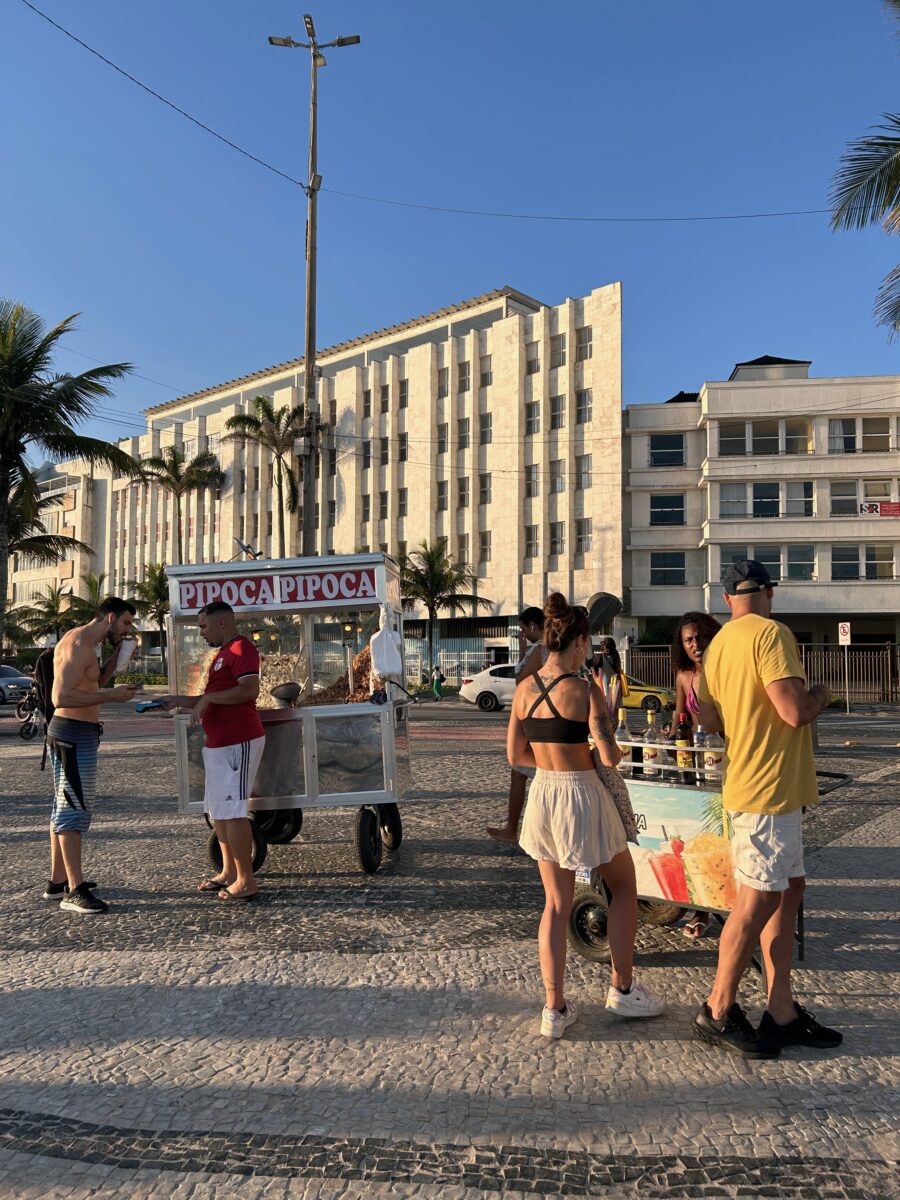
Where to stay in Brazil?
When visiting Rio de Janeiro and Minas Gerais, some of the most memorable accommodation options are the small, locally-run bed and breakfasts and pousadas that offer something no hotel chain can replicate. Pousadas are typically family-owned, intimate in scale, and deeply embedded in the neighbourhoods and landscapes they inhabit. In Santa Teresa, Rio’s bohemian hilltop neighbourhood, you will find pousadas tucked into colonial houses with views over the city and a quiet that feels miles away from the beach. In the Serra do Cipó and the colonial towns of Minas Gerais, they are often set in gardens, with hammocks on the veranda and breakfasts that arrive laden with tropical fruit, fresh bread, and local cheeses.
Hosts tend to be genuinely generous with their knowledge of the area, and the breakfasts alone are worth the stay. Raissa guided us to some wonderful options throughout our trips, and we consistently found that the most charming and well-located pousadas came in at around €50 per person per night, exceptional value for the quality and experience on offer.
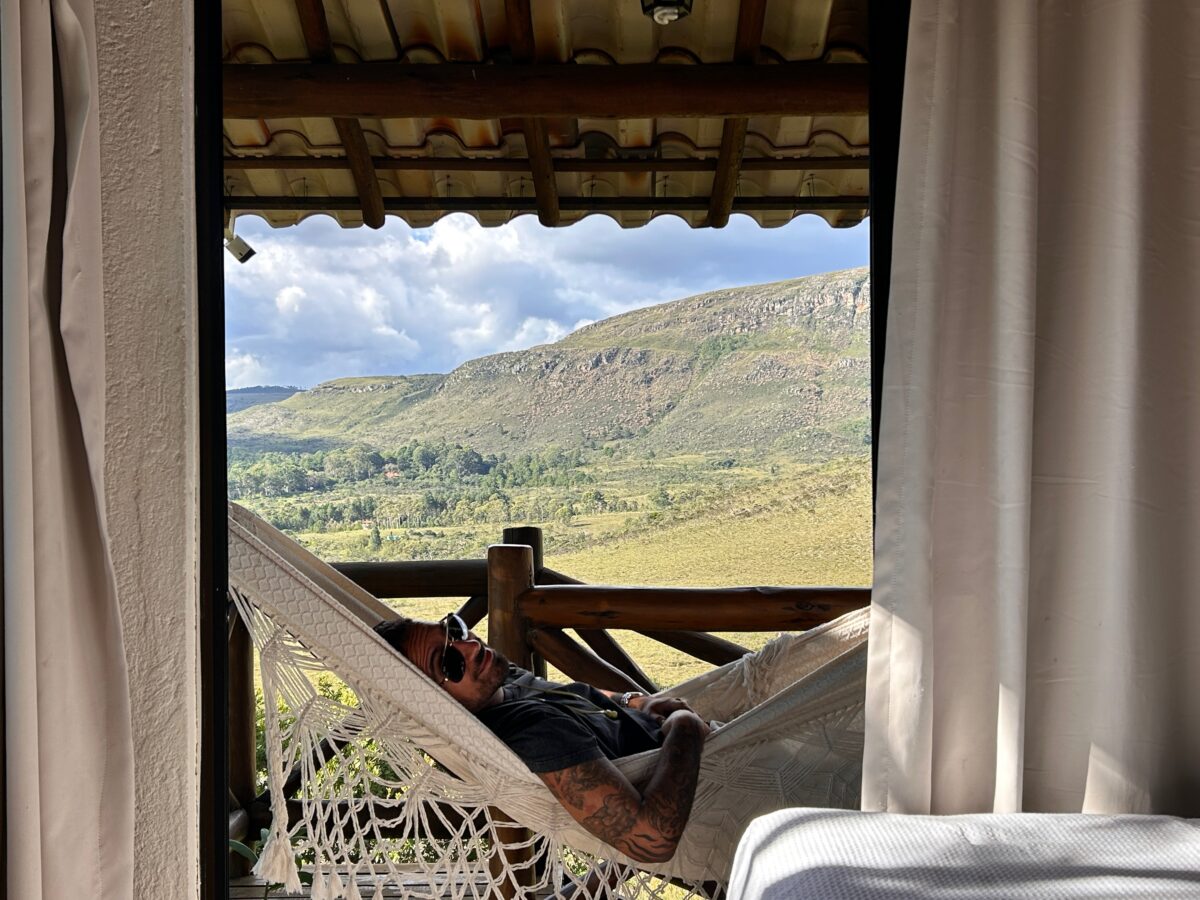
The B&B “Vale do Elefante” in Serra do Cipó.
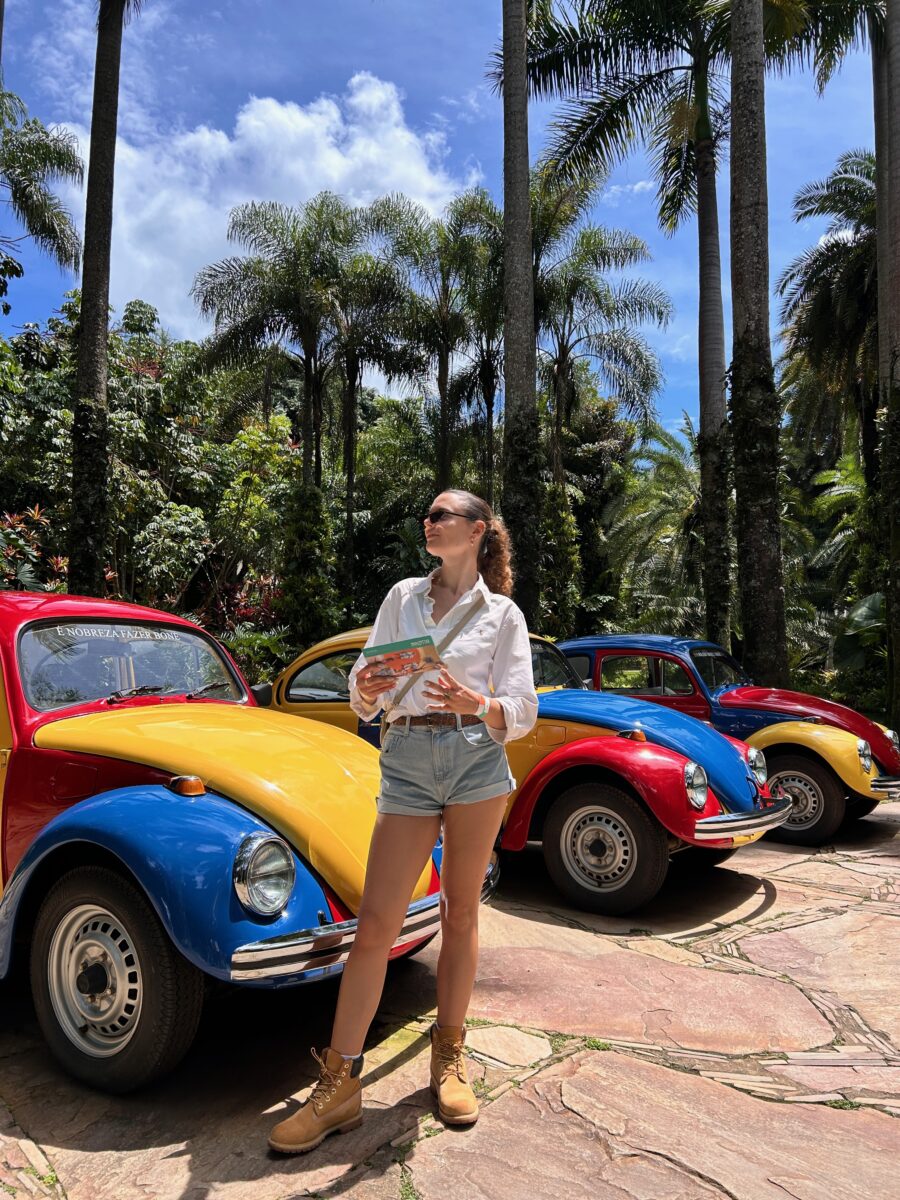
The open-air museum Inhotim.
How to get around Brazil?
For the itinerary covered in this guide, Rio de Janeiro and Minas Gerais, the most practical approach is a combination of flying and renting a car once you reach the interior.
Rio de Janeiro is well served by two airports: Galeão (GIG) for international arrivals and Santos Dumont (SDU) for domestic connections. Within the city, Uber is reliable, affordable, and by far the easiest way to get around. Metered taxis work well too, but Uber is generally simpler for visitors. Public transport in Rio is functional but navigating it independently requires local knowledge; for most travellers, app-based ride-sharing is the better option.
Outside Rio, a rental car makes a significant difference. Belo Horizonte is manageable by Uber, but reaching the Serra do Cipó, the waterfalls, and the colonial towns in the surrounding region without your own vehicle is genuinely difficult. Picking up a rental car in Belo Horizonte and returning it there is the most straightforward approach, with daily rates typically ranging from €30 to €60 depending on the vehicle. Booking in advance through a comparison tool such as Skyscanner is advisable, particularly in peak season.
For flights to Brazil, prices vary considerably by origin and season. Booking several months in advance and travelling outside of Carnival season and the Brazilian school holiday period in July will make a meaningful difference to the cost. We recommend Skyscanner for finding the best fares.
For accommodation, Expedia is a reliable resource for finding pousadas and hotels across both Rio and Minas Gerais, with good coverage of smaller, independent properties. As noted above, budget around €50 per person per night for a well-located, characterful pousada. Most establishments in tourist areas will accept card payments, but carrying some Brazilian reais in cash is sensible for smaller towns, markets, and rural areas.
How to get to Tulum?
Practical Tips for Brazil
Scams
Brazil has a reputation that is sometimes more alarming than the reality on the ground, particularly in the areas covered by this guide. That said, some basic awareness goes a long way. In Rio de Janeiro, be attentive with your belongings at all times: leave valuables at your accommodation and carry only what you need. Avoid displaying expensive jewellery, cameras, or phones unnecessarily, particularly in busy public spaces. In tourist areas, be cautious of overly insistent street vendors or anyone who approaches you with unsolicited friendliness and an agenda. On the restaurant front, the same rule applies everywhere: if it is genuinely good, it does not need someone outside recruiting customers. In Minas Gerais, the colonial towns and natural parks are considerably more relaxed, and we encountered no issues of any kind. Use common sense, stay aware of your surroundings in unfamiliar areas, and you will almost certainly have a smooth and safe experience.
What should I bring with me?
Internet Roaming
Brazil is not part of any roaming agreement that covers most European travellers, which means standard data roaming fees can be significant. Mobile internet is essential for navigation, translation, and ride-sharing apps, all of which you will use constantly. We recommend purchasing an eSIM before you travel, which gives you fast, reliable data from the moment you land without the hassle of finding a local SIM card. Holafly offers a good eSIM option for Brazil with unlimited data. Use the code SOPHIEPOMME for a 5% discount.
Safety
Brazil’s safety situation varies enormously by location, and the areas covered in this guide are all areas where visitors travel regularly and safely with normal precautions. In Rio, stay informed about which neighbourhoods to avoid after dark, use Uber rather than hailing taxis on the street, and avoid walking on the beach late at night. In Minas Gerais, the pace is considerably gentler and safety concerns are minimal.
Solo female travellers should exercise the usual additional caution in busy urban areas, particularly at night. Trust your instincts, avoid isolated areas after dark, and keep your phone and bag close in crowded spaces. Beyond this, the Brazilians we encountered were warm, generous, and genuinely welcoming, the human landscape of the country is one of its greatest pleasures.
One practical note: mosquitoes are present, particularly in more tropical and forested areas. Pack a good repellent, use it consistently in the Serra do Cipó and outdoor settings, and consider appropriate clothing for evenings in nature. If you are visiting the Amazon or more remote tropical regions beyond the scope of this guide, consult your doctor about malaria prophylaxis in advance.
How safe is Tulum?
Food
Brazilian food is one of the great undiscovered pleasures of world cuisine, or rather, it is well known to Brazilians and not nearly well enough known to everyone else. In Rio, the culinary range is extraordinary: fresh açaí bowls and grilled fish in the beach neighbourhoods, feijoada — the rich, slow-cooked black bean and pork stew that is Brazil’s national dish — served on Saturdays in traditional restaurants, and a street food culture built around pastel, coxinha, and pão de queijo that makes it very difficult to walk anywhere without eating something. Leblon and Ipanema have some of the best restaurants in the country; Santa Teresa has some of the most characterful.
In Minas Gerais, the food is in a category of its own. Mineiro cuisine is arguably the most beloved regional cooking in Brazil: slow, generous, and deeply satisfying. Tutu de feijão, frango com quiabo, torresmo, and the extraordinary variety of local cheeses make eating in Minas Gerais one of the highlights of any visit. Do not leave without trying a proper Mineiro spread at a family restaurant.
A few practical notes: tap water in Brazil is generally treated but most locals and visitors drink bottled or filtered water, which we recommend throughout your trip. Stick to busy, well-reviewed restaurants and you are unlikely to have any issues with food safety. Exploring local markets, particularly in Belo Horizonte, which has some excellent ones, is one of the best ways to encounter the full range of what Brazilian food can be.
What to do in Brazil
Have a look at the posts below for plenty of ideas and inspiration for your trip to Brazil. My recommendations focus on authentic and affordable experiences, and are 100% based on my genuine opinion. I may make a small commission out of affiliate links (without changing the price for you).
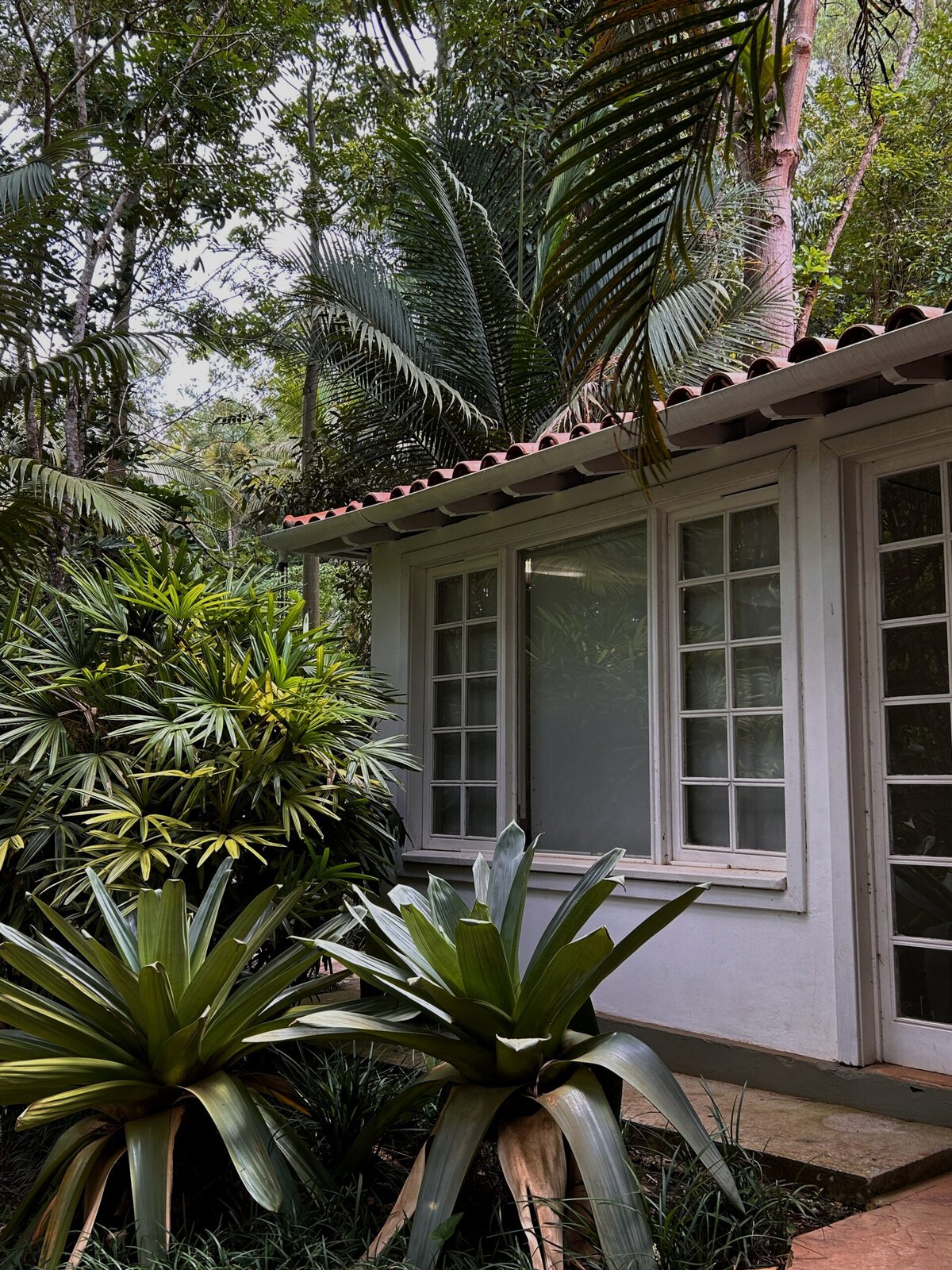
4 Unmissable Things to Do in Minas Gerais That Locals Love
Minas Gerais does not announce itself. It is not Rio, with its famous skyline and irresistible beaches. It does not have the electric restlessness of
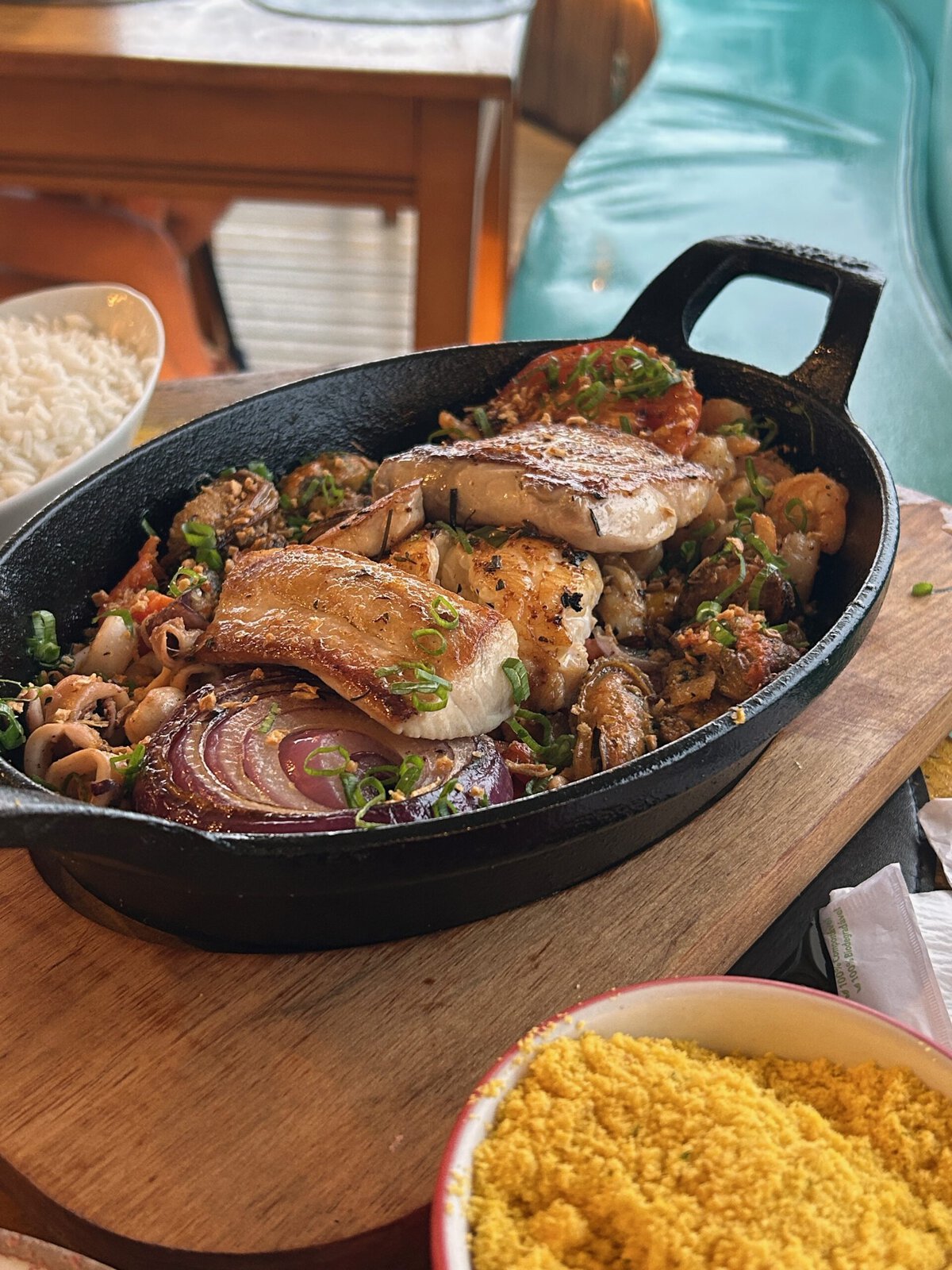
Rio de Janeiro Restaurants: 6 Spots to Fall in Love with Rio
Finding a great place to eat and drink in Rio de Janeiro is not the problem. The city has an extraordinary food culture, from the
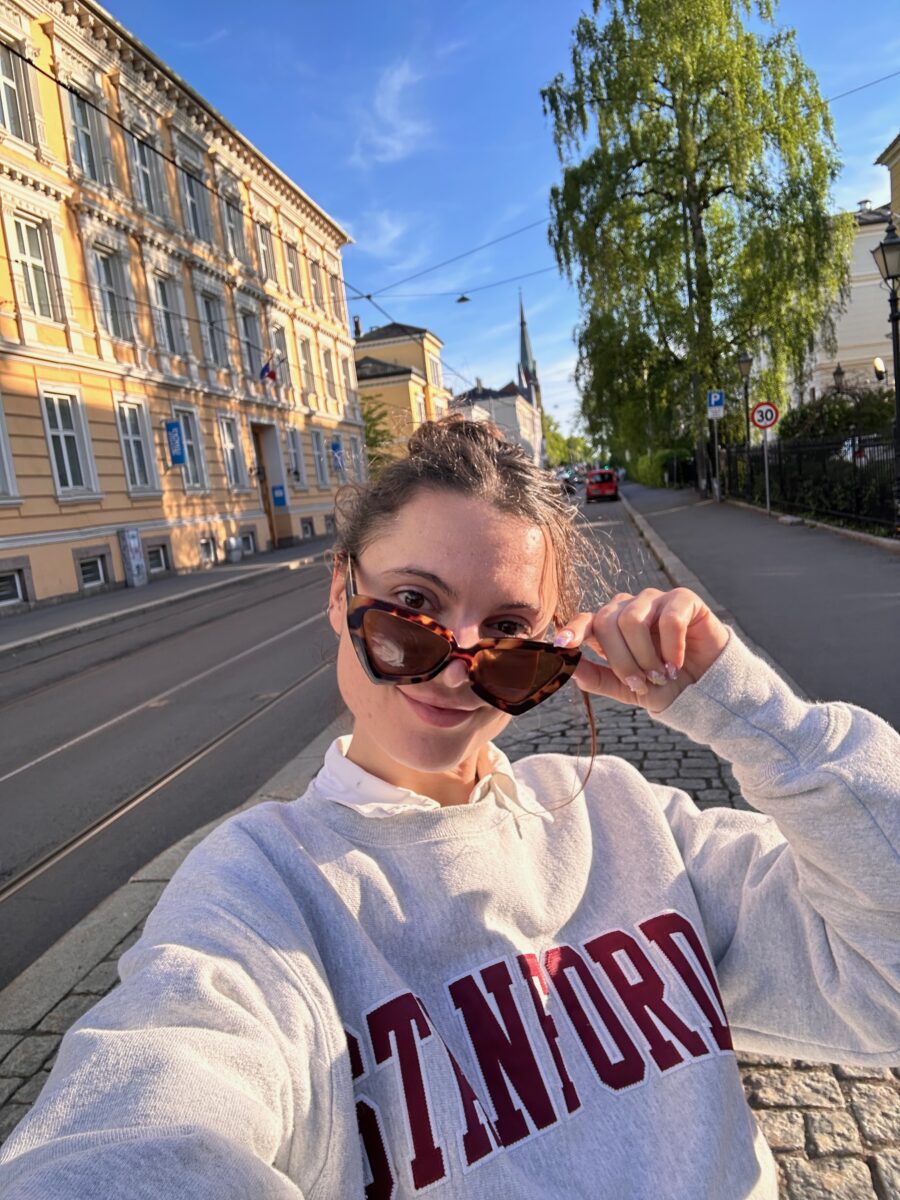
Hi! I’m Sophie
I was born in Belgium, educated in Europe, and now exploring the world with the objective to understand how we can make it a better place.
I currently work as a doctoral researcher (PhD candidate) in The Hague. I hold a Masters degree (MPhil) from the University of Oxford and have 7+ years of experience as a consultant in public diplomacy, strategic communication, and global peace and security.
I believe travel can be an experience for personal growth and transformative connections.
Explore my other travel guides...
I love creating unique itineraries and photographing the most beautiful scenes of my trips. I’ve created original guides for Mexico, Italy, Greece, Morocco, and the Balkans.