I used to call myself a party animal and, deep inside, I still am. There’s something about the process of getting ready with a bombastic outfit, meeting your friends, and letting loose to the sound of heavy bass with strangers that I must admit is quite therapeutic. That is what Electronic Dance Music (EDM) culture brings to me: a non-judgemental community and the opportunity to process whatever is going on in life. I rarely let that side of me converge with the side that’s interested in politics and power, but when I saw last week’s news that an Italian mayor was gaining momentum in national politics because of a rave she organised, it hit me. What I had long perceived as two diametrically opposed interests were starting to come together, and with a very compelling question: what is it about EDM culture that appeals to people exasperated by politics? What is it that EDM culture does that politics cannot?
The Italian context and what it tells us about Europe
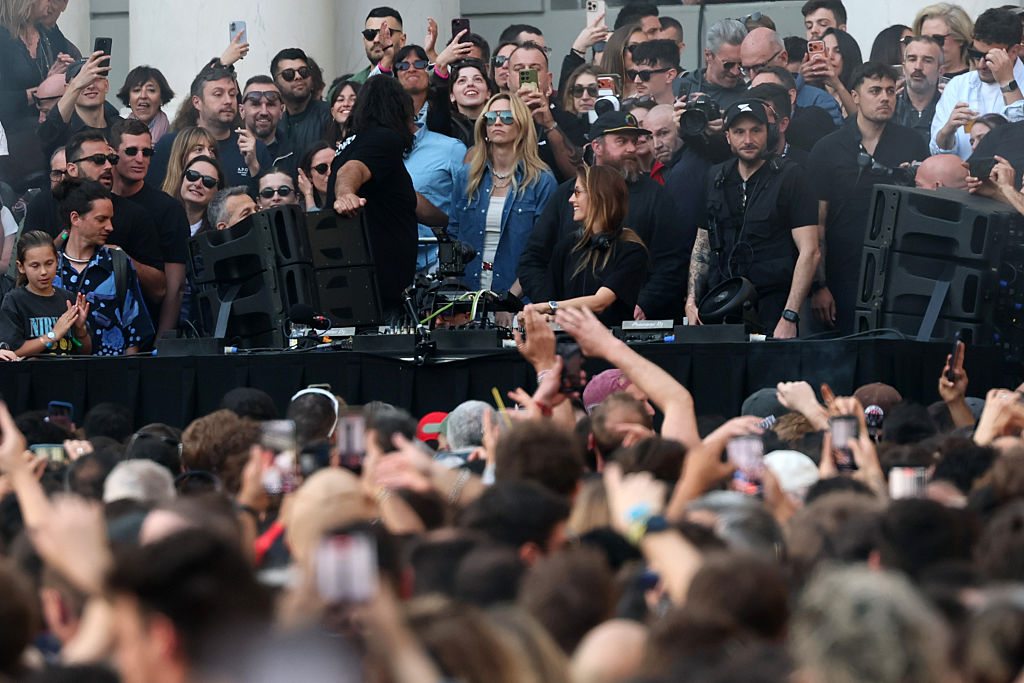
It is in that context that Silvia Salis, mayor of Genoa, has emerged as a focal point for Italy’s opposition. She built public visibility by joining anti-war demonstrations in support of Palestine and backing dockworkers who refused to handle arms bound for Israel. A former Olympic hammer thrower elected mayor in May 2025 on a broad centre-left ticket, Salis organised a large public party in Genoa’s central Piazza Matteotti, a family-friendly daytime rave that drew 20,000 people into the streets, with Belgian DJ Charlotte de Witte headlining. The event directly challenged the so-called “anti-rave decree” introduced by Meloni in 2022, a controversial law targeting unauthorised gatherings. This move built on a semantic conflation: “rave” means an illegal free party in Italian legal and colloquial usage, but “rave” means any electronic music event in its original English sense. As a result, Salis was described in international media as “a breath of fresh air” and a “potential unifier” for the country’s opposition.
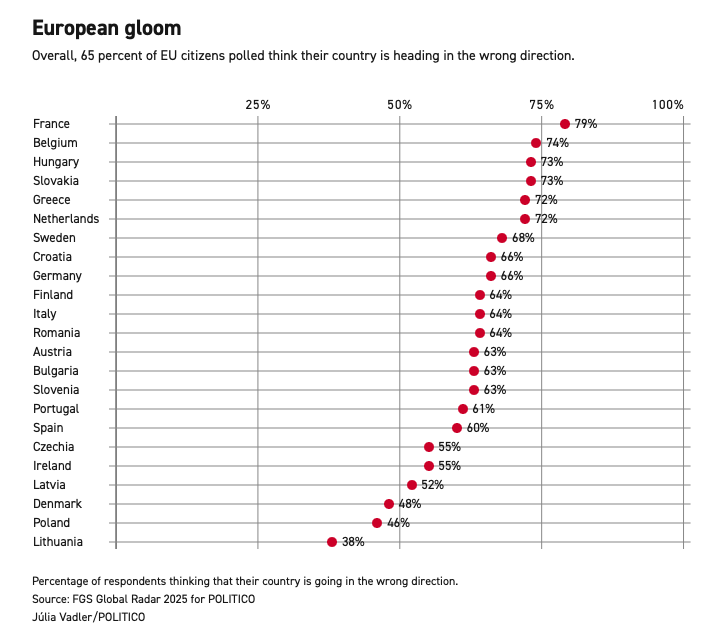
EDM Culture as Political Force

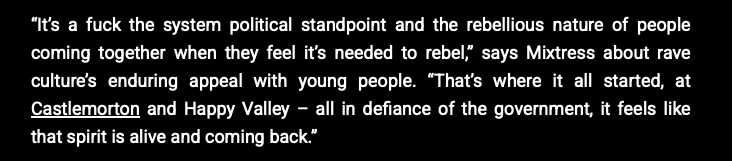
Forty years ago, EDM culture planted the seeds of politics built on bodily autonomy, queer visibility, and collective space, values that would reshape European youth culture and provide templates for horizontal, leaderless organising that later echoed through movements from Occupy Wall Street to climate strikes. It did something that politics failed to achieve at the time, and are failing again to do today: bring people together.
EDM raves and the broader culture they promote can operate as what political theorist Chantal Mouffe would recognise as “agonistic spaces”: radically pluralist environments, held together by shared practice, where difference is suspended long enough for something collective to emerge. In a political landscape increasingly dominated by passive citizens choosing between equally disappointing and distant elites, EDM culture projects something radically different. It provides a space where people can express themselves freely, on equal footing, and where they can experience what it’s like to be in an environment with limited hierarchy besides the DJ booth itself. It is no coincidence that the governments which felt most threatened by it, from Thatcher’s Britain to Meloni’s Italy, moved quickly to criminalise it. They understood, perhaps more clearly than the ravers themselves, that a culture teaching people how to self-organise and produce solidarity is not apolitical. It is politics by other means.
In Sum
The question I asked at the start of this essay was: what can EDM culture do that politics cannot? The answer is deceptively simple. EDM makes people feel, together, that another future is possible. However temporary, that lived experience is more powerful than any argument one can make on a paper or in a speech. Whether Salis translates that energy into durable political change in Italy remains to be seen, but the fact that a rave is now being discussed in the same breath as a general election is quite telling. Music and art can be compelling vectors for politics. More importantly, EDM dance floors may be some of the few spaces still capable of producing hope, and the conditions for radical change.
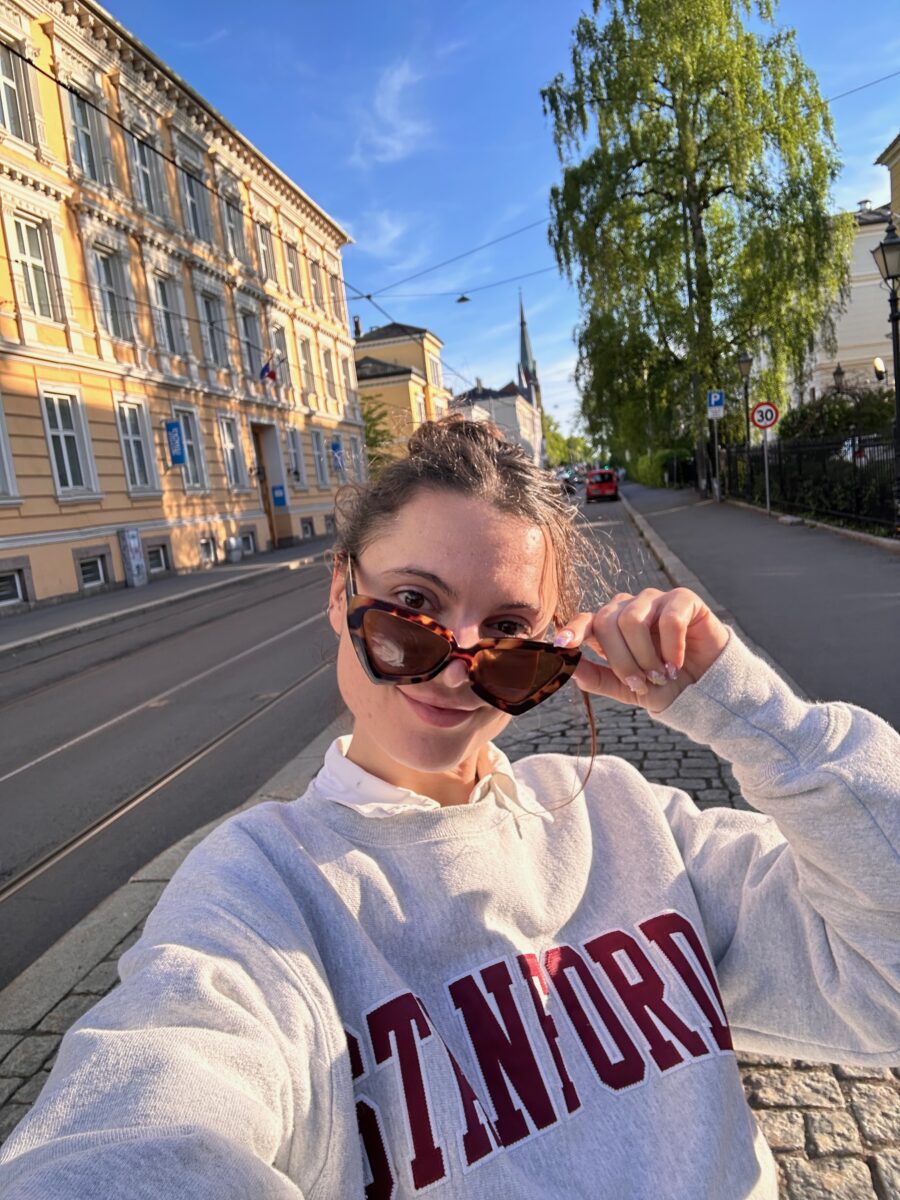
Hi! I’m Sophie
I am a social scientist and explorer. In my work, I analyse the intersection of politics, technology, and democracy. Nothing makes me happier than learning and discovering the wonders of the world. I consider myself an enthusiastic feminist and self-care advocate.